Surviving -25°F: The Mountain Man’s Secret to Staying Warm
Long-form13:34People & BlogsPublished Oct 22, 2026, 7:00 AM · 5h ago

Views
10
+0 views/hour
Views / hour now
0
measured 14m ago
Peak views / hour
10
1h ago
First 24 hours
—
not tracked from upload
Engagement
0.0%
likes + comments / views
Likes
0
0.0% of views
Comments
0
0.00% of views
Est. ad revenue
$0–$0
lifetime, $4–9 RPM
Checked every 30 min while the video is this age · last check 14m ago · next in 15 min. YouTube itself updates public counts with a short delay.
Avg views / day
10
since upload
vs channel median
0.0×
this video's views ÷ the channel's usual
Rank in channel
#21
of 21 tracked
Views over time
11 readings
Total views Views gained per hour
Description
How did American mountain men survive −25°F winter storms without a stove, modern heating, or even a proper cabin?
Imagine being stranded alone in the Rocky Mountains during a deadly winter blizzard. The temperature drops to −25°F (−32°C), your hands begin to freeze, and you have only an axe, limited firewood, and a few hours before darkness.
How could you possibly survive the night?
In this historical survival documentary, we explore the forgotten winter survival techniques of American mountain men, frontier trappers, hunters, soldiers, and early settlers who faced extreme cold without modern technology.
The surprising answer wasn't simply building a bigger fire or a stronger log cabin. It was understanding how the earth, snow, insulation, food, and carefully managed heat could work together to make survival possible.
Discover how partially underground shelters and earthen dugouts could protect people from freezing winds, why snow could actually help insulate a shelter, and why moisture inside a shelter could become just as dangerous as the cold outside.
We'll also explore the hidden dangers of smoke and carbon monoxide, the importance of ventilation, how evergreen branches and animal hides helped insulate sleeping areas, and why high-fat foods like pemmican and bone marrow were so valuable during harsh frontier winters.
Finally, learn how mountain men used wool blanket coats, buckskin, fur, moccasins, mittens, and layered clothing to survive freezing temperatures while avoiding one of the biggest dangers of winter travel: sweat.
These techniques reveal the remarkable ingenuity behind historical wilderness survival—and why staying alive in extreme cold required an entire system rather than one clever trick.
CHAPTERS
00:00 — Alone at −25°F: A Deadly Winter Storm
01:59 — The Underground Survival Secret
03:35 — Building a Snow-Covered Earth Shelter
04:22 — The Hidden Dangers: Water, Smoke & Fire
07:43 — How Mountain Men Insulated Their Beds
08:53 — The Food That Kept Their Bodies Warm
10:37 — Winter Clothing and the Complete Survival System
IN THIS VIDEO YOU'LL DISCOVER:
How frontier survival shelters protected people from extreme cold
Why underground temperatures can be steadier than winter air
How snow insulation and earthen walls reduce heat loss
Why wet bedding and poor drainage are dangerous
The risks of carbon monoxide in enclosed shelters
Why evergreen boughs, fur, and animal hides provide insulation
How pemmican, animal fat, and bone marrow fueled winter survival
How mountain men managed wool, buckskin, fur, and sweat
Why survival at −25°F required multiple techniques working together
If you enjoy American frontier history, mountain man survival, historical engineering, wilderness survival, and the incredible ways people lived before modern technology, subscribe to GRENY for more history documentaries.
What would you do first if you were stranded in the mountains at −25°F?
#MountainMen #WinterSurvival #FrontierHistory
Tags
mountain menwinter survivalmountain men survivalAmerican mountain menfrontier survivalwilderness survivalextreme cold survivalhow mountain men survivedwinter survival shelterunderground shelterdugout shelterAmerican frontierfrontier lifehistorical survivalhistory documentarysurvival without a stoveminus 25 degreessurvival skillsmountain man history1800s survivalsnow insulationGRENY
Details
- Published
- Oct 22, 2026, 7:00 AM
- Length
- 13:34 (814 s)
- Format
- Long-form
- Category
- People & Blogs
- Audio language
- EN
- Quality
- HD
- Captions
- No
- Made for kids
- No
- Licensed content
- Yes
- Video ID
- 6zbWGrs1g9A
More from GRENY
 How Did Ancient Persians Keep ICE in 50°C Desert Heat?124 views · 1d ago
 How Did Medieval People Sleep in Freezing Stone Castles?3K views · 2d ago · +3/h
 How Did Vikings Survive Freezing Seas Without Fire?2K views · 3d ago · +16/h
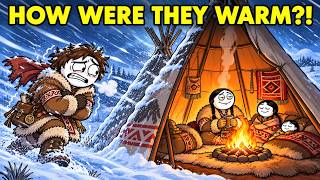 How Did Native Americans Survive −30°F Winters Inside a Tipi?465 views · 4d ago · +7/h
 How Ancient Egyptians Stored Food for a Year Without Losing It583 views · 4d ago
 How Ancient Egyptians Survived Deadly Infections Without Antibiotics465 views · 5d ago
 How Did Ancient Egyptians Drink Nile Water Without Getting Sick?2K views · 6d ago
 How Ancient Egyptians Survived Days in the Desert Without Water180 views · 1w ago
Statistics from the YouTube Data API, tracked by FameX. Views per hour, revenue and comparisons are FameX estimates.