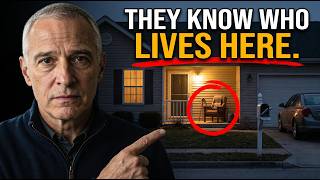
The REALITY of Burglar Signs on Your Front Door
Long-form12:21People & Blogs
Published Oct 13, 2026, 6:40 AM · 2d ago

Frank Mercer
100 subscribers · median 152 views
AI avatar · likely10%
Views
13
+0 views/hour
Likes
1
7.7% of views
Comments
0
0.00% of views
Checked every 3 h while the video is this age · last check 2h ago · next in 32 min. YouTube itself updates public counts with a short delay.
Views / hour now
0
measured 2h ago
Peak views / hour
2
16h ago
Avg views / day
6
since upload
First 24 hours
11
views at 24 h
vs channel median
0.1×
Rank in channel
#20
of 20 tracked
Engagement
7.7%
likes + comments / views
Est. ad revenue
—
channel not monetized
Views over time
32 readings · line: total views · bars: views gained per hour
Description
0:00 Opening door statistics
0:35 Doorbell ring test explained
0:45 Convicted burglars survey findings
1:18 Personal background and sourcing
1:42 Federal burglary victim numbers
2:41 Chalk mark warning claims
2:59 San Marino chalk mark case
3:42 Snopes fact check results
4:24 How burglars case targets
4:58 Signs of attempted break ins
6:10 What burglars check first
7:36 One minute response plan
9:42 Self defense law basics
11:11 Exact words for strangers
11:55 Age and burglary risk
In March 2025, the San Marino Police Department in California posted a warning that criminals were using chalk marks like an X or a box to flag homes as targets. That story went viral, but Snopes couldn't find the police warnings the viral posts claimed existed, and a mark near your yard just as often comes from a utility crew flagging buried lines before a dig. This video sets that story next to the numbers that actually hold up: a Bureau of Justice Statistics survey of burglary victims, a University of North Carolina at Charlotte study of 422 convicted burglars, a police guide from the Center for Problem-Oriented Policing, and the self-defense statutes of Florida, New York, and Texas. The federal data shows that in homes where someone was present, 18% of burglars were let in by someone inside, and 12% pushed through the door the moment it opened. Nearly a third of occupied-home burglaries involved someone the household already knew. The convicted burglars describe ringing doorbells to check if anyone's home, calling ahead, and having a cover story ready if someone answers. None of that supports the chalk-mark theory, but it does point to a short, specific response: keep doors and windows locked, talk through the door instead of opening it, and call the non-emergency line instead of confronting anyone. The video also covers what burglars actually look for before choosing a target, what a failed break-in leaves behind on a door frame or window screen, how reporting rates and repeat-burglary risk work, and what self-defense law does and doesn't cover when someone is at your door.
Details
- Published
- Oct 13, 2026, 6:40 AM
- Length
- 12:21 (741 s)
- Format
- Long-form
- Category
- People & Blogs
- Audio language
- EN-US
- Quality
- HD
- Captions
- No
- Made for kids
- No
- Licensed content
- No
- Video ID
- 8gTCujJeX50
More from Frank Mercer
 Do Open Blinds at Night Invite Burglars? What Convicted Burglars Actually Say97 views · 5d ago
 6 Stops in a 15-Minute Evening Check That Close the Doors Burglars Actually Use160 views · 1w ago
 7 Cheap AutoZone Items Retired Cops Keep in Every Car Before Fall94 views · 1w ago
 7 Hidden Spots Retired Burglars Admit They Never Find103 views · 1w ago
 5 DIY Safe-Rooms Retired Cops Teach Seniors Living Alone (Where Burglars Never Look)41 views · 2w ago
 7 Things Retired Burglars Admit Make Them NEVER Come Back582 views · 2w ago
 7 Signs Retired Burglars Admit They Look For in Your HOME76 views · 2w ago
 6 Habits Retired Burglars Admit Make Them Move On INSTANTLY418 views · 2w ago
Statistics from the YouTube Data API, tracked by FameX. Views per hour, revenue and comparisons are FameX estimates.