The Parable of the 10 Virgins EXPLAINED: It was Never about the OIL
Long-form20:03People & Blogs
Published Oct 2, 2026, 11:00 AM · 1w ago

Discernment Made Clear
84.8K subscribers · median 31.4K views
AI imagery · confirmed$Likely
Views
41,401
+106 views/hour
Likes
1.4K
3.5% of views
Comments
173
0.42% of views
Checked every 12 h while the video is this age · last check 10h ago · next in 73 min. YouTube itself updates public counts with a short delay.
Views / hour now
106
measured 10h ago
Peak views / hour
106
10h ago
Avg views / day
3.3K
since upload
First 24 hours
—
not tracked from upload
vs channel median
1.3×
Rank in channel
#8
of 20 tracked
Engagement
3.9%
likes + comments / views
Est. ad revenue
$83–$248
lifetime, $2–6 RPM
Views over time
1 readings · line: total views · bars: views gained per hour
Live tracking started
The chart fills in as FameX records new readings.
Description
Grab the 52 Weeks of Bible Investigation: https://www.discernmentmadeclear.com
This video explains the Parable of the Ten Virgins in Matthew 25:1-13 and answers why the wise virgins refused to share their oil with the foolish virgins.
The study walks through the parable one verse at a time, beginning with its setting on the Mount of Olives during the final week of Jesus' life and his repeated warning that no one knows the day or the hour of his return. It looks closely at the Greek behind the text, argues that the women were carrying torches rather than small household lamps, and shows why that detail explains how the oil ran out. It then works through the real question the parable raises, which is why sharing the oil would have left everyone in the dark and what kind of readiness cannot be borrowed, inherited, or handed over at the last moment. The video ends on the shut door and the words "I do not know you," and connects them to a parallel warning in Matthew 7.
What's covered in this video:
The setting of the parable in the Olivet Discourse, with Jesus seated on the Mount of Olives looking across the valley toward the temple in the last week before his death.
The warning in Matthew 24:44 that the Son of Man comes at an hour no one expects, and why that frames the whole story.
How a first-century Jewish wedding worked, including the betrothal stage called kiddushin, the Hebrew word kadash meaning to set apart, and the parallel found in the story of Joseph and Mary.
Why the groom's arrival belonged to his father and usually came near midnight, and how the bridal party was expected to light the procession to a feast that could last a week.
The Greek word lampas and the argument that the ten virgins carried torches, not the small clay lamp called a lychnos used in the Sermon on the Mount and in the Gospel of John when soldiers arrest Jesus in the garden.
Why torches burn through oil quickly, making a hidden flask of reserve oil the only real difference between the five wise and five foolish women.
The Greek words phronimos and moros, and why the contrast is about thinking ahead rather than good versus evil.
Why all ten virgins fell asleep, and why the parable never treats the sleeping itself as the failure.
The refusal in verse nine, and the simple math showing that dividing the oil would have left all ten torches failing before the procession reached the door.
What the oil represents, including the traditional reading of the oil as the Holy Spirit, and why personal readiness cannot be transferred any more than an education, physical fitness, or a friendship can be.
The instruction to go and buy oil for yourself, and why the time to prepare was the calm afternoon rather than the midnight cry.
The shut door in verse ten and the meaning of the Greek verb oida in the sentence "I do not know you."
The link between the cry of "Lord, Lord" in Matthew 25 and the warning "I never knew you" in Matthew 7:23.
The meaning of "Watch therefore" in verse thirteen, and why watchfulness here means readiness held in reserve rather than simply staying awake.
Mentioned in this video: Jesus, the Son of Man, the Bridegroom, Joseph and Mary, the Parable of the Ten Virgins, Matthew 25:1-13, the Olivet Discourse, the Mount of Olives, the temple, the Sermon on the Mount, the Gospel of John, Matthew 24:44, Matthew 7:23, kiddushin, kadash, lampas, lychnos, phronimos, moros, oida, the Holy Spirit.
Tags
the parable of the ten virginsshut door parablebible study for beginnersbiblebible storiesbiblical historychristianitybible explainedunderstanding the bibleking davidking of israelbible studydeep bible storiesthe bibledeep biblebible storybible historybiblical teaching
Details
- Published
- Oct 2, 2026, 11:00 AM
- Length
- 20:03 (1,203 s)
- Format
- Long-form
- Category
- People & Blogs
- Audio language
- EN
- Quality
- HD
- Captions
- No
- Made for kids
- No
- Licensed content
- No
- Video ID
- BmO9SEI0ZMg
More from Discernment Made Clear
 What Did Paul Mean by "I Do Not Permit a Woman to Teach"? | 1Timothy 1:3 Deep Dive28.2K views · 1d ago · +960/h
 The Widow's Mite Explained: It Was NEVER About Giving Your BEST20.5K views · 2d ago · +27/h
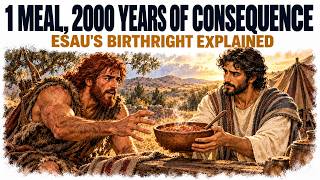 How Esau's Stew Led to Herod Trying to Kill Jesus8.2K views · 3d ago · +20/h
 WHY God Allowed Satan Tempt His Own Son14.4K views · 4d ago · +6/h
 What "Fear of God" Actually Means in Hebrew16.1K views · 6d ago · +7/h
 Why did God allow the Ark to Disappear before Jesus? (Most Christians Missed This)36.2K views · 6d ago · +18/h
 Why Did God Allow Polygamy in the Bible? —The Answer isn't What You Think45.6K views · 1w ago · +164/h
 The Hidden Meaning of THE CORNERSTONE and Why it is the Key to Everything a Christian Believes9.1K views · 1w ago · +6/h
Statistics from the YouTube Data API, tracked by FameX. Views per hour, revenue and comparisons are FameX estimates.