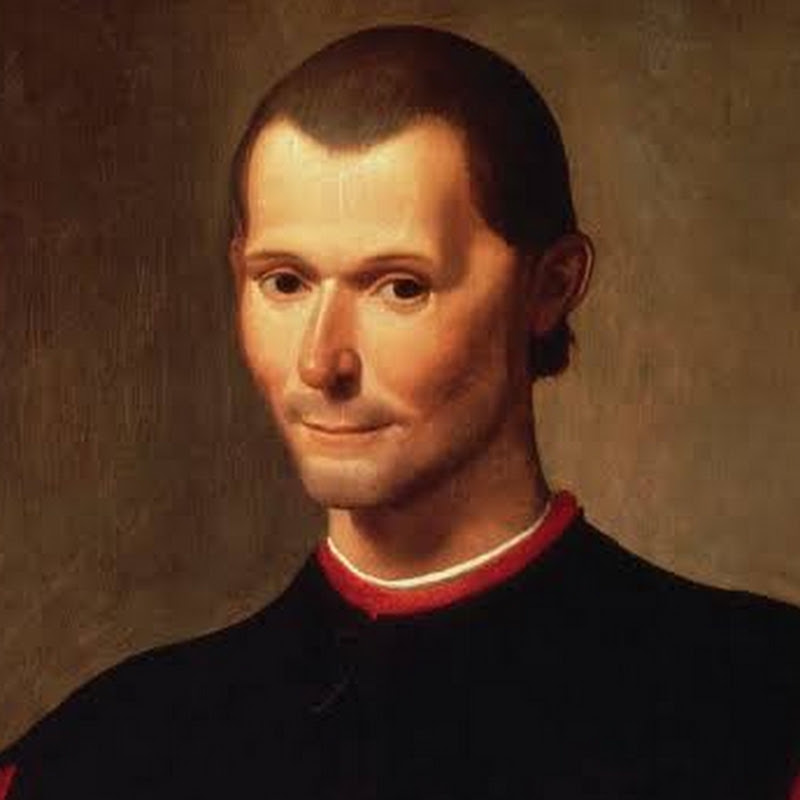
Why the Most Foolish People End Up in Power – Machiavelli Philosophy
Long-form29:53EducationPublished Sep 4, 2026, 1:44 AM · 6w ago
Views
1,970
+0 views/hour
Views / hour now
0
measured 13h ago
Peak views / hour
—
First 24 hours
—
not tracked from upload
Engagement
—
likes + comments / views
Likes
—
hidden
Comments
2
0.10% of views
Est. ad revenue
$9–$21
lifetime, $4.8–10.8 RPM
Checked every 24 h while the video is this age · last check 13h ago · next in 652 min. YouTube itself updates public counts with a short delay.
Avg views / day
42
since upload
vs channel median
1.0×
this video's views ÷ the channel's usual
Rank in channel
#8
of 18 tracked
Views over time
0 readings
Total views Views gained per hour
Live tracking started
The chart fills in as FameX records new readings.
Description
# Why the Most Foolish People End Up in Power – Machiavelli Philosophy
Why do people who seem unqualified, overconfident, or even foolish sometimes rise to positions of power?
Why does confidence so often look like competence? Why do intelligent people sometimes follow leaders they know are making bad decisions?
In this Machiavelli philosophy breakdown, we go beyond the simple idea that “stupid people become powerful” and uncover the **psychological and structural forces that allow the wrong people to rise, survive, and thrive in positions of authority.**
Drawing from **Machiavellian philosophy, leadership psychology, organizational behavior, cognitive bias, social influence, and institutional incentives**, this video explores how power can be shaped by perception long before competence is actually proven.
### What You'll Learn
**The Fool’s First Advantage** — Why confidence, appearance, status, and certainty can be noticed before real competence.
**The Fool Who Cannot See His Own Foolishness** — How weak self-awareness and poor metacognition can create extreme confidence.
**When Confidence Starts Looking Like Leadership** — Why confident people can attract attention, deference, opportunity, and authority.
**The Simplicity Trap** — Why uncertainty makes people prefer simple explanations over complicated truths.
**The Ethical Handicap** — What Machiavelli's analysis of **Cesare Borgia** reveals about morality, constraints, and political strategy.
**The Game Changes After You Win** — Why independent and capable people can become threats once someone has secured power.
**When the System Starts Rewarding the Wrong Behavior** — How incentives, organizational culture, Goodhart's Law, delayed feedback, and reputation can create institutional blindness.
**When the Leader Becomes the Identity** — How authority can transform into symbolism, loyalty, and eventually group identity.
### The Bigger Machiavellian Lesson
Machiavelli was not simply fascinated by cruelty or deception.
He was fascinated by **how power actually works**—how authority is created, maintained, perceived, protected, and passed through institutions.
The person at the top is only part of the story.
The deeper question is:
**What kind of environment put them there?**
Who gets promoted?
Who gets protected?
Who gets ignored?
Who tells the truth?
What happens to them afterward?
Understanding these patterns can help you recognize **toxic leadership, workplace politics, dysfunctional organizations, , power dynamics, and social influence** before they become obvious.
This video is ultimately about learning to separate:
**Appearance from reality.**
**Authority from competence.**
**Reputation from evidence.**
**Loyalty from truth.**
Because once you understand the game, you become much harder to fool.
💬 **Have you ever watched an unqualified or overconfident person rise through an organization while more capable people were ignored?** What happened to the people who challenged them? Share your experience in the comments.
🔔 Subscribe for more videos on **Machiavelli, philosophy, psychology, leadership, power, strategy, human behavior, and critical thinking.**
### Topics & Keywords
Machiavelli philosophy, Machiavelli, Niccolo Machiavelli, Machiavellian psychology, why foolish people gain power, why incompetent people become leaders, leadership psychology, psychology of power, power dynamics, political psychology, organizational psychology, toxic leadership, toxic workplace dynamics, confidence vs competence, overconfidence psychology, cognitive bias, metacognition, cognitive closure, motivated reasoning, Goodhart's Law, social influence, authority, workplace politics, corporate politics, executive strategy, manipulation, institutional behavior, meritocracy, critical thinking, human behavior, philosophy of power, Machiavellian strategy, Machiavellian leadership
#Machiavelli #Machiavellian #LeadershipPsychology #PowerDynamics #PsychologyOfPower #Leadership #PoliticalPsychology #CriticalThinking #HumanBehavior #WorkplacePsychology #Philosophy
Tags
#machiavelli#machiavellianPhilosophy#whyfoolsrule#philosophy#psychology#criticalthinking#strategicthinking#leadershippsychology#powerdynamics#humanbehavior#confidence#why foolish people gain power
Details
- Published
- Sep 4, 2026, 1:44 AM
- Length
- 29:53 (1,793 s)
- Format
- Long-form
- Category
- Education
- Audio language
- EN
- Quality
- HD
- Captions
- No
- Made for kids
- No
- Licensed content
- No
- Video ID
- CiR-XP4emyc
More from Mind Upgrade
 Get Set Upgrade Live Stream0 views · 2w ago
 Machiavelli's Dark Sales Psychology | 99% of People Don't Know These Selling Secrets129K views · 3w ago · +649/h
 Struggling With Consistency? Listen to This | Napoleon Hill’s Powerful Speech1.9K views · 4w ago
 How to Create Connections With Powerful People | Machiavelli’s 13 Laws for Social Climbing47.2K views · 5w ago · +12/h
 Machiavelli's 21 Laws of Power, Explained814 views · 5w ago · +3/h
 Machiavelli's 7 Rules for Building Wealth Quietly3.1K views · 6w ago
 5 Machiavellian Strategies for Earning Respect10.2K views · 7w ago · +1/h
 How to Handle Difficult People — Machiavelli's Approach24.9K views · 8w ago · +5/h
Statistics from the YouTube Data API, tracked by FameX. Views per hour, revenue and comparisons are FameX estimates.