What Did Roman Slaves Actually Do All Day?
25.8× channel medianLong-form11:02EducationPublished Sep 26, 2026, 10:35 AM · 3w ago
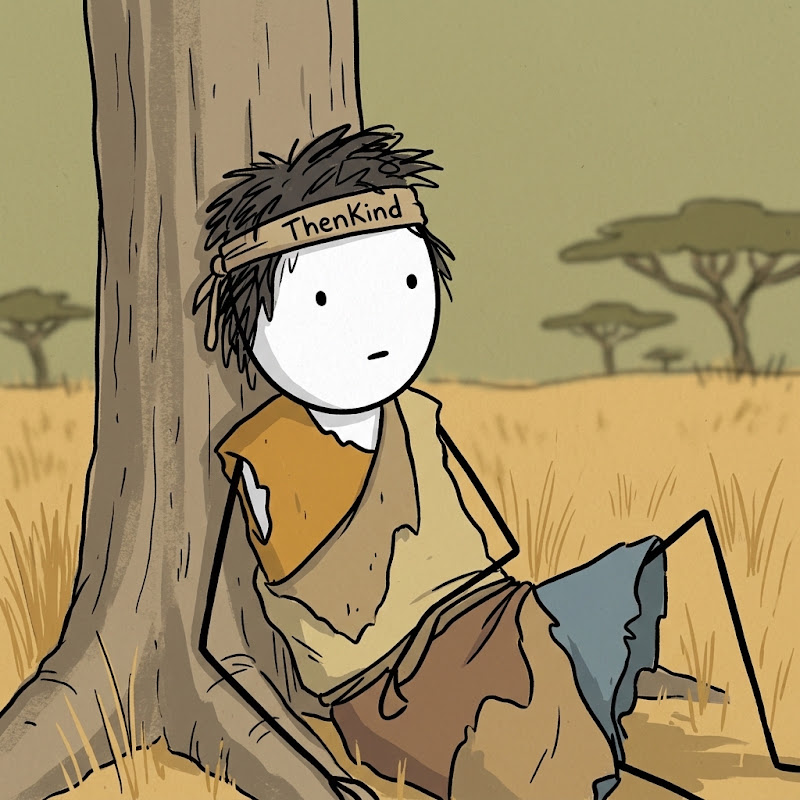
Views
16,747
views/hour after the next reading
Views / hour now
—
needs two readings
Peak views / hour
—
First 24 hours
—
not tracked from upload
Engagement
—
likes + comments / views
Likes
—
hidden
Comments
12
0.07% of views
Est. ad revenue
—
channel not monetized
Checked every 12 h while the video is this age · last check 9h ago · next in 151 min. YouTube itself updates public counts with a short delay.
Avg views / day
719
since upload
vs channel median
25.8×
this video's views ÷ the channel's usual
Rank in channel
#1
of 20 tracked
Views over time
1 readings
Total views Views gained per hour
Live tracking started
The chart fills in as FameX records new readings.
Description
What Did Roman Slaves Actually Do All Day?
Roman law had one word for an enslaved person: instrumentum vocale — a tool with a voice. That single classification covered a man dying in a silver mine and a freedman who controlled an emperor's entire treasury while senators waited outside his door. Same legal category. Completely different lives. This video breaks down what Roman slavery actually looked like, from the mines to the imperial palace.
⛓️ What You Will Learn in This Video:
• The Legal Category: Why Varro classified enslaved people as "tools with a voice" alongside plows and oxen.
• The Brutal End: What Cato's farming manual reveals about how disposable agricultural slaves really were.
• The Educated End: How Cicero's slave Tiro invented a shorthand system used for a thousand years.
• The Path Out: How manumission and peculium gave a real, documented route to freedom and citizenship.
• The Impossible Twist: How freedmen like Pallas and Narcissus ended up running the Roman Empire's finances.
• The Warning: What happened to 6,000 people after the Spartacus revolt.
📚 SOURCES MENTIONED IN THIS VIDEO:
▸ Varro, Rerum Rusticarum — classified farm slaves as "instrumentum vocale," a vocal tool, alongside silent tools and semi-vocal oxen.
▸ Cato the Elder, De Agri Cultura — an agricultural manual instructing that old or sick slaves be sold off like worn equipment.
▸ Cicero's letters — document his relationship with his slave-turned-freedman Tiro, inventor of an early Latin shorthand system.
▸ Columella — recorded incentive systems tying childbirth to potential freedom for enslaved women.
▸ Plutarch, Life of Crassus — records the crucifixion of roughly 6,000 survivors of the Spartacus revolt along the Appian Way.
🎨 Narration:Thenkind
#ancientrome #romanhistory #romanslavery #romanempire #spartacus #historyfacts #documentary #ancientcivilization #historicalfacts
Tags
ancient romeroman historyroman slaveryroman empireancient civilizationspartacusroman lawhistory factsdocumentaryhistorical factsroman societyancient historygladiatorsroman freedmen
Details
- Published
- Sep 26, 2026, 10:35 AM
- Length
- 11:02 (662 s)
- Format
- Long-form
- Category
- Education
- Audio language
- EN
- Quality
- HD
- Captions
- No
- Made for kids
- No
- Licensed content
- No
- Video ID
- D1mkI_KgQ_w
More from ThenKind
 What Happened When a Roman Officer Came Home Unexpectedly577 views · 1d ago
 How Roman Soldiers Secretly Kept Wives (Inside Military Camps)1.4K views · 6d ago
 What Did Roman Soldiers Actually Do After Losing?4.5K views · 1w ago
 What Happened When a Roman Soldier Came Home and Found Another Man in His House?16.2K views · 1w ago
 Why Roman Fathers Could Legally Sell Their Sons 3 Times (The Dark Truth)682 views · 1w ago
 Why Were Roman Soldiers More Afraid of Their Own Friends Than the Enemy?2.2K views · 1w ago
 What Happened on a Roman Soldier's Last Day Before Retirement?1.6K views · 1w ago
 The Wild Secret Romans Used to Stop War Elephants1.5K views · 2w ago
Statistics from the YouTube Data API, tracked by FameX. Views per hour, revenue and comparisons are FameX estimates.