Education & explainersPlain Sight8 Major Healthcare Systems Explained & Compared: The Brutal Realities
8 Major Healthcare Systems Explained & Compared: The Brutal Realities
Long-form38:392.2× channel median
Published Aug 27, 2026, 11:22 AM · 6w ago

Plain Sight
3.6K subscribers · median 578 views
Animation · confirmed$Likely
Views
1,283
+0 views/hour
Likes
15
1.2% of views
Comments
5
0.39% of views
Checked every 24 h while the video is this age · last check 46m ago · next in 1394 min. YouTube itself updates public counts with a short delay.
Views / hour now
0
measured 46m ago
Peak views / hour
1
1d ago
Avg views / day
26
since upload
First 24 hours
—
not tracked from upload
vs channel median
2.2×
Rank in channel
#5
of 12 tracked
Engagement
1.6%
likes + comments / views
Est. ad revenue
$5–$13
lifetime, $4–10 RPM
Views over time
0 readings · line: total views · bars: views gained per hour
Live tracking started
The chart fills in as FameX records new readings.
Description
How does healthcare actually work around the world? In this documentary comparison, we examine 8 countries—the United States, Canada, Japan, Germany, China, India, Norway, and Switzerland—to reveal the real cost of getting sick, how public and private health insurance operates, and the hidden trade-offs behind "free healthcare."
From out-of-pocket medical bills and denied insurance claims to long waiting lists and universal coverage caps, every nation finances patient care differently:
• United States: Private employer insurance, Medicare, Medicaid, emergency care under EMTALA, and the reality of medical debt.
• Canada: Single-payer universal healthcare under the Canada Health Act, doctor shortages, and emergency room wait times.
• Japan: Universal statutory coverage, direct specialist access, and the High-Cost Medical Expense Benefit ceiling.
• Germany: The historic Bismarck sickness fund system, income-based contributions, and preventive health screenings.
• China: Basic medical insurance schemes, rural-to-urban hospital migration, and regional Hukou reimbursement penalties.
• India: Public healthcare access through Ayushman Arogya Mandirs and PM-JAY versus private hospital out-of-pocket expenses.
• Norway: The public Fastlege (family doctor) gatekeeper model, capped annual patient fees, and structured treatment waiting lists.
• Switzerland: Mandatory private universal health insurance (LAMal), individual deductibles, co-pays, and monthly premium burdens.
If you have ever wondered why some countries face high hospital debt while others struggle with wait times, this global breakdown explains how healthcare systems function in reality.
#Healthcare #Documentary #HealthInsurance #Economics #GlobalHealth
Timestamp/Chapter Blueprint
0:00 - USA: Advanced Treatment vs. Medical Debt
4:11 - Canada: Universal Coverage & The Wait-Time Dilemma
8:37 - Japan: Direct Specialist Access & Regulated Fees
13:45 - Germany: The Bismarck Social Sickness Funds
18:41 - China: Tier-
Tags
Global Healthcare ComparisonHealthcare Systems Explained
Details
- Published
- Aug 27, 2026, 11:22 AM
- Length
- 38:39 (2,319 s)
- Format
- Long-form
- Category
- —
- Audio language
- —
- Quality
- —
- Captions
- —
- Made for kids
- —
- Licensed content
- —
- Video ID
- GrpNoaDWQVM
More from Plain Sight
 The Most Disturbing Cults You've Never Heard Of62 views · 1w ago
 10 Levels of Consciousness Explained209 views · 2w ago
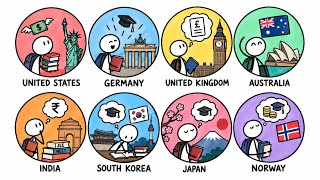 The Real Cost of College: 8 Countries Compared543 views · 3w ago
 When Schools Fail: 8 Tragic Cases That Shocked the World452 views · 5w ago
 why modern life is a miracle explained in 8 minutes118 views · 2mo ago
 explained the school systems of 10 countries in 15 minutes ( Part 2 )11.8K views · 2mo ago · +1/h
 4 military rules too brutal to believe234 views · 2mo ago
 10 Bizarre Laws of Major Countries Explained613 views · 3mo ago
Statistics from the YouTube Data API, tracked by FameX. Views per hour, revenue and comparisons are FameX estimates.