History & culturePhilosophies for LifeBaruch Spinoza - Stop Comparing Yourself To People Who Have More (Rationalism)
Baruch Spinoza - Stop Comparing Yourself To People Who Have More (Rationalism)
Long-form19:14EducationPublished Aug 17, 2026, 3:00 PM · 2mo ago
Views
20,428
views/hour after the next reading
Views / hour now
—
needs two readings
Peak views / hour
—
First 24 hours
—
not tracked from upload
Engagement
3.0%
likes + comments / views
Likes
571
2.8% of views
Comments
47
0.23% of views
Est. ad revenue
$82–$184
lifetime, $4–9 RPM
Checked every 24 h while the video is this age · last check 9h ago · next in 860 min. YouTube itself updates public counts with a short delay.
Avg views / day
308
since upload
vs channel median
0.7×
this video's views ÷ the channel's usual
Rank in channel
#17
of 20 tracked
Views over time
0 readings
Total views Views gained per hour
Live tracking started
The chart fills in as FameX records new readings.
Description
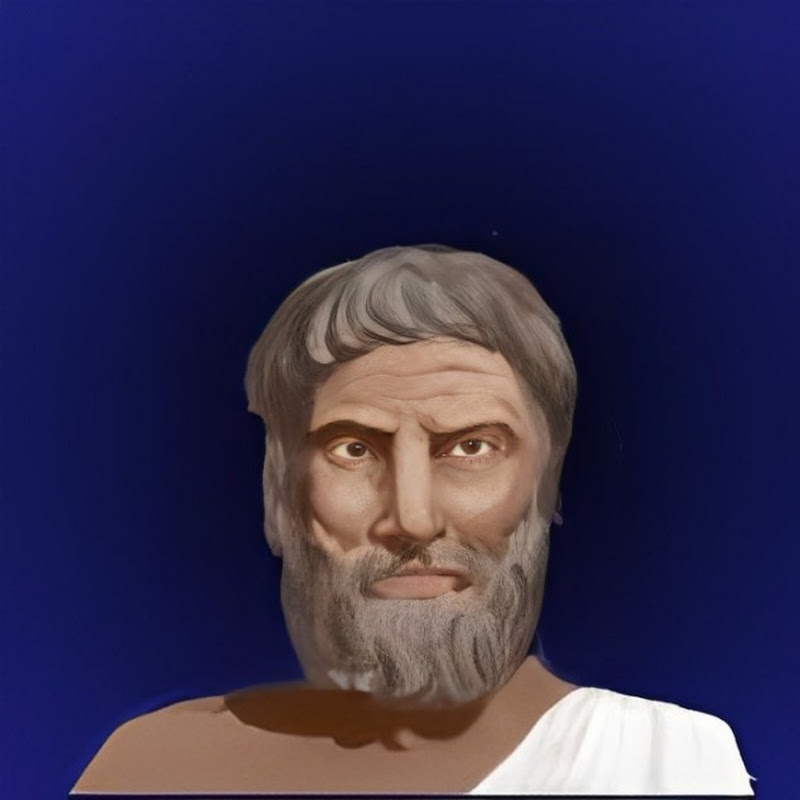
In this video we will be talking about 6 Ways To Stop Comparing Yourself To People Who Have More from the philosophy of Baruch Spinoza . Baruch Spinoza was a 17th-century Dutch philosopher who approached human emotions as if they were a mathematical problem. This philosophical approach is known as rationalism.
So here are 6 Ways To Stop Comparing Yourself To People Who Have More from the philosophy of Baruch Spinoza -
01. There Are No Alternate What Ifs
02. Ignore the Scoreboard
03. Understanding the "One Substance"
04. Find Your Conatus
05. Focus on active emotions
06. Redefining True Wealth
We hope you enjoyed watching the video and hope this video, from the philosophy of Baruch Spinoza, helps you stop comparing yourself to others who have more..
Baruch Spinoza was a 17th-century Dutch philosopher who approached human emotions as if they were a mathematical problem. He didn’t believe our feelings were random or mysterious. Instead, he argued that they followed the same natural laws as everything else in the universe. He wrote his most famous work, Ethics, in the style of a geometry textbook in which he analyzed emotions like anger, fear, and love with logical definitions, propositions, and proofs. Because of this, Spinoza didn’t see happiness as a matter of luck, a fleeting emotion, or a reward from the universe. No. To him, happiness is the experience of increasing mental clarity. It’s the freedom that comes from no longer being confused by life, understanding how reality works, and gaining control over your own mind. This way of thinking is called Rationalism. It is the idea that reason and logic are the best tools for understanding the world. Instead of reacting to events or hoping things will get better, a Rationalist tries to understand why things happen. Spinoza believed that the more clearly we think about our experiences, the better we can understand our problems, learn from them, and avoid unnecessary suffering.
Narration/Audio Editing: Dan Mellins-Cohen
https://www.danmellins.com
Subscribe To Philosophies for Life
https://www.youtube.com/channel/UCp1mRTkVlqDnxz_9S0YD9YQ
Tags
Baruch SpinozaSpinoza philosophyRationalismhow to stop comparing yourself to othersstop comparing yourselfovercome envycomparing yourself to people who have moreSpinoza Ethicsphilosophy of Spinozarationalist philosophyconatusactive emotionsredefining wealthmental clarityself improvementpersonal growthpsychologylogic and reasonself help philosophyphilosophies for lifephilosophybaruch spinoza godbaruch spinoza quotes
Details
- Published
- Aug 17, 2026, 3:00 PM
- Length
- 19:14 (1,154 s)
- Format
- Long-form
- Category
- Education
- Audio language
- EN
- Quality
- HD
- Captions
- Yes
- Made for kids
- No
- Licensed content
- Yes
- Video ID
- JLCRv-nbtPA
More from Philosophies for Life
 Montaigne - How to Think Clearly During Difficult Times22.7K views · 3d ago · +84/h
 Lao Tzu - Why Discipline Feels Hard (And How to Make It Effortless) (Taoism)27.7K views · 1w ago
 Voltaire - Take Good Care Of Yourself (No Money Required) (Philosophy Of The Enlightenment)76.4K views · 2w ago
 7 Ways To Make Your Life Ridiculously Simple - Diogenes (Cynicism)69K views · 3w ago
 Seneca - Stop Wasting Your Time On Things That Just Don’t Matter (Stoicism)72.8K views · 4w ago
 8 Free Everyday Habits That Make Life Radically Rich - Epicurus (Epicureanism)56.2K views · 5w ago
 Epictetus - How To Fix Your Life (No Money Required) (Stoicism)40.5K views · 6w ago
 How To Be Happy With An Ordinary Life - Michel de Montaigne162K views · 7w ago
Statistics from the YouTube Data API, tracked by FameX. Views per hour, revenue and comparisons are FameX estimates.