CookingBurl Sizemore Cooking25 LOST Survival Meals Every Appalachian Grandmother Made During the Great Depression
25 LOST Survival Meals Every Appalachian Grandmother Made During the Great Depression
Long-form22:45Education2.7× channel median
Published Sep 17, 2026, 3:35 PM · 3w ago
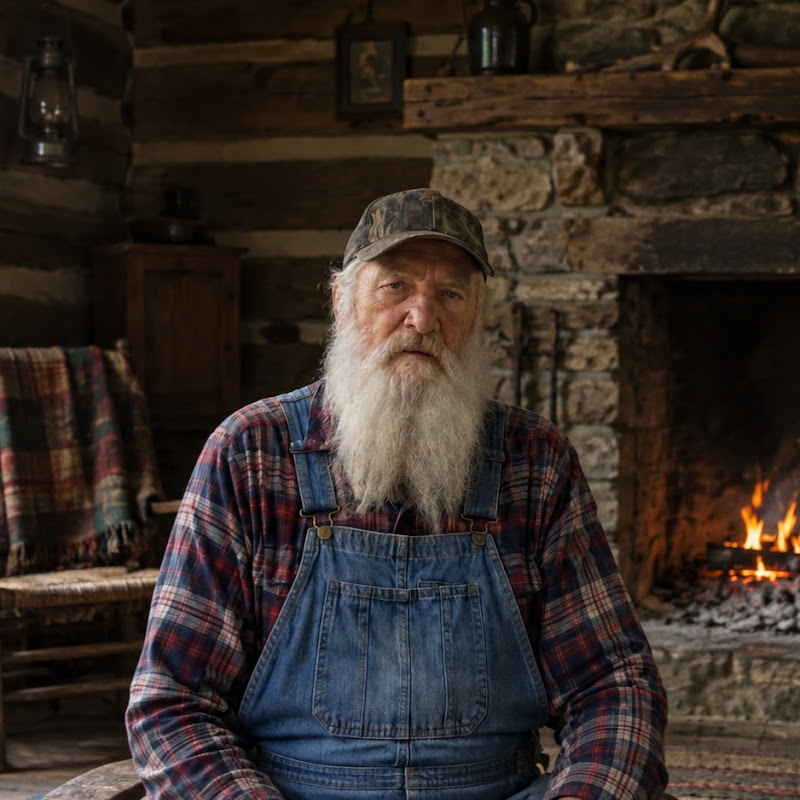
Burl Sizemore Cooking
372 subscribers · median 1.1K views
AI avatar · confirmed37%
Views
2,907
+4 views/hour
Likes
58
2.0% of views
Comments
4
0.14% of views
Checked every 12 h while the video is this age · last check 7h ago · next in 244 min. YouTube itself updates public counts with a short delay.
Views / hour now
4
measured 7h ago
Peak views / hour
15
19h ago
Avg views / day
105
since upload
First 24 hours
—
not tracked from upload
vs channel median
2.7×
Rank in channel
#6
of 18 tracked
Engagement
2.1%
likes + comments / views
Est. ad revenue
—
channel not monetized
Views over time
2 readings · line: total views · bars: views gained per hour
Description
My grandmother fed eleven people through the worst years this country ever had, and she was
still cooking the exact same way thirty years later, when there was money in the house and
no reason left to do it.
That is the part nobody tells you about the Great Depression. It ended. The money came back.
And the women who had carried their families through it went right on cooking the same, for
thirty more years, because they did not believe it.
Her name was Dicey. She was born in nineteen oh five up a hollow in eastern Kentucky, and
she was twenty four years old with two babies on her hip when the banks went down in
nineteen twenty nine.
I was not alive for any of it. I was born in nineteen fifty three. But I ate it. I ate it
every Sunday of my childhood at that woman's table, and I did not have the first idea that
was what I was eating. I thought that was just how food was.
Here is what I have learned since, and it is why I made this video instead of one more list
of old recipes.
Somewhere in the nineteen fifties this country decided that the way she cooked was something
to be ashamed of. It came in on the television and in the magazines and on the shelf at the
store in town, and what it said was that a modern woman opens a can and a backward woman
soaks a bean.
Her own daughters heard it. My mother heard it. And I watched my grandmother, who had kept
eleven people alive on cornmeal and grease and what grew wild on a bank, start to apologize
for her own table. She would set down a pan of soup beans that had been going since daylight
and she would say, now, it is nothing fancy.
Nothing fancy.
Four years ago I paid twenty six dollars in a restaurant in Asheville for a bowl of those
beans with one square of cornbread beside it, and there was a paragraph about it printed on
the menu. They called it heritage.
They shamed her out of it for forty years and then they sold it back to us with a paragraph.
So here are twenty five of them, in the order she went to them. Soup beans and the pot
liquor that is the whole point of them. Fried potatoes as the entire supper. Cornmeal mush
at night and the same mush fried in slices the next morning. White gravy with no meat in it
and pepper standing in for the meat. Killed lettuce. Poke sallet and the three boils, which
I will be careful with you about. Shuck beans strung on a thread and kept through the winter
by air. Souse. Cracklin cornbread. Vinegar pie. Dried apple stack cake, which the neighbors
built on the table one layer each. Milk toast. Flat dumplings, which are the Appalachian
dumpling. Creasy greens out of a February pasture. Hoe cake. Blackberry dumplings. Fried
apples. The second day of the beans, and the third. An old hen that had quit laying. Corn
pone baked in the ashes. Chow chow, and what it is actually for. Tomato gravy. Salt rising
bread. Sorghum and butter worked together with the back of a fork.
And number twenty five, which is the only one that is gone for good.
I will also tell you the truth about the three or four that were not good, because some of
it was not good. Some of it was hunger with a recipe wrapped around it, and I am not going
to lie about that just because I loved her.
At the end I answer the question I put off the whole video: how many of these twenty five
are still made in this house. The number is not twenty five and it is not zero, and the
sixteen that fell away did not all fall away for the same reason. Some went because we got
something better. Some we handed over.
There is nothing to buy in this video and there never was. That is probably the reason
nobody ever said any of it out loud.
Nobody sells you a pot of beans.
Tags
great depressiondepression era cookingappalachiaappalachianappalachian cookingappalachian foodsoup beanscornbreadpoke salletshuck beansleather britchessalt rising breadstack cakechow chowsorghumhoe cakecorn ponetomato gravyold recipesold wayshearth cookingcast ironsouthern cookingrural americagrandmas cookinghomesteadingfrugal cookingamerican chestnut
Details
- Published
- Sep 17, 2026, 3:35 PM
- Length
- 22:45 (1,365 s)
- Format
- Long-form
- Category
- Education
- Audio language
- EN-US
- Quality
- HD
- Captions
- No
- Made for kids
- No
- Licensed content
- No
- Video ID
- LBW4dWEbpi0
More from Burl Sizemore Cooking
 Fast Food Got Too Expensive — What Appalachian Mothers Fed Nine People Instead (Ready Before Dark)960 views · 1d ago
 Weird Facts About the Old Appalachian Country Store Nobody Today Would Believe (I Swept Its Floor)1.9K views · 2d ago
 Biscuit Secrets Every Appalachian Grandmother Knew That No Can of Dough Ever Will (I Make Hers)309 views · 3d ago
 Appalachian Mothers Went to Town Once a Month — 21 Rules That Made It Last (I Still Live By Them)6.1K views · 4d ago · +22/h
 25 Forgotten Lunch Pail Sandwiches Appalachian Coal Miners Carried Every Day (I Carried Two)860 views · 6d ago · +3/h
 Forgotten Side Dishes Every Appalachian Sunday Table Had (We Want Every One Back)3.1K views · 1w ago · +2/h
 Kitchen Mistakes That Got You Run Out of an Appalachian Grandmother's Kitchen (I Still Make Two)537 views · 1w ago
 Fake Foods No Appalachian Grandmother Would Have Carried Home (She Could Tell by the Smell)566 views · 1w ago
Statistics from the YouTube Data API, tracked by FameX. Views per hour, revenue and comparisons are FameX estimates.