History & cultureFork LoreThe History of Gopchang — The Slaughterhouse Scraps That Fueled Seoul’s Industrial Slaves
The History of Gopchang — The Slaughterhouse Scraps That Fueled Seoul’s Industrial Slaves
Long-form21:17People & BlogsPublished Oct 23, 2026, 2:23 PM · 12h ago

Views
274
+50 views/hour
Views / hour now
50
measured 1h ago
Peak views / hour
160
3h ago
First 24 hours
—
not tracked from upload
Engagement
3.3%
likes + comments / views
Likes
9
3.3% of views
Comments
0
0.00% of views
Est. ad revenue
$1–$3
lifetime, $4.8–10.8 RPM
Checked every 30 min while the video is this age · last check 1h ago · next in 0 min. YouTube itself updates public counts with a short delay.
Avg views / day
274
since upload
vs channel median
0.1×
this video's views ÷ the channel's usual
Rank in channel
#19
of 21 tracked
Views over time
22 readings
Total views Views gained per hour
Description
The history of gopchang is a story of poverty, sacrifice, and the workers who helped build modern South Korea. In the 1960s and 1970s, beef intestines were among the cheapest sources of protein available to exhausted factory workers who could barely afford meat. Grilled over coal briquettes in smoky alleyway stalls, gopchang became a meal of survival. Today, the same dish can cost tens of thousands of won in Seoul’s trendiest restaurants. Discover how a forgotten byproduct became a Korean delicacy—and what its transformation reveals about the price of economic progress.
Inside:
How South Korea’s rapid industrialization drew millions from rural villages into the cities
The teenage factory workers who endured exhausting shifts for poverty-level wages
The tragic story of Jeon Tae-il and his fight for workers’ rights
Why beef intestines became an affordable source of protein in postwar Korea
How slaughterhouse districts like Majang-dong and Doksan-dong shaped gopchang culture
The smoky alleyway stalls where workers gathered after long shifts
How coal briquettes fueled the grills—and the deadly risks they posed
Why gopchang became a staple anju, the food traditionally eaten with alcohol
How spicy marinades helped introduce the dish to a wider audience
How former working-class food districts became popular dining destinations
Why gopchang transformed from cheap survival food into a premium restaurant dish
The forgotten workers whose struggles remain part of every plate
If you enjoy deep-history stories hidden inside everyday foods, subscribe to Fork Lore, like this video, and tell us in the comments: What surprised you most about gopchang’s history—the factory workers who depended on it, the smoky alleys where it was served, or the fact that it can now cost more than ordinary meat?
#Gopchang #KoreanFood #FoodHistory #KoreanHistory #KoreanStreetFood #SeoulFood #KoreanCuisine #IndustrialHistory #WorkersRights #KoreanBBQ #FoodDocumentary #ForkLore
gopchang history, history of Korean gopchang, Korean beef intestines, what is gopchang, Korean offal cuisine, Korean working class food, Korean food history documentary, South Korea industrialization, Guro Industrial Complex history, Jeon Tae-il history, Majang-dong slaughterhouse, Doksan-dong gopchang, Korean food alleys, gopchang and soju, Korean anju culture, Korean street food history, postwar South Korea, Korean factory workers, poverty food turned delicacy, Korean cuisine documentary, history of everyday foods, Fork Lore
Details
- Published
- Oct 23, 2026, 2:23 PM
- Length
- 21:17 (1,277 s)
- Format
- Long-form
- Category
- People & Blogs
- Audio language
- EN-US
- Quality
- HD
- Captions
- No
- Made for kids
- No
- Licensed content
- Yes
- Video ID
- R1_UcatBXFI
More from Fork Lore
 The History of Kimbap — The Snack Korea and Japan Still Fight Over1.7K views · 3d ago · +4/h
 The History of Dalgona — The Poverty Candy Squid Game Made Famous488 views · 1w ago · +1/h
 The History of Korean BBQ — The Black Market Scraps That Conquered the World2.8K views · 2w ago
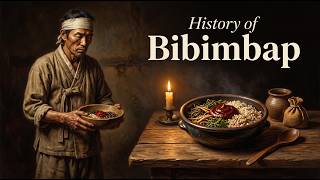 The History of Bibimbap — The Survival Bowl That Fueled a Bloody Rebellion29.4K views · 2w ago · +24/h
 The Moldy Bread That Drove The Middle Ages Mad162 views · 3w ago
 The ENTIRE History of Kimchi in 18 Minutes9K views · 4w ago
 The History of Korean Dumplings — A Taste of North Korea in the South2.4K views · 4w ago
 The History of Ginseng — The Root That Colonized Global Medicine3.9K views · 4w ago · +1/h
Statistics from the YouTube Data API, tracked by FameX. Views per hour, revenue and comparisons are FameX estimates.