The Trick Cowboys Used to Sleep Through a Blizzard Without a Fire
Long-form22:47People & Blogs151.7× channel median
Published Sep 6, 2026, 2:10 PM · 5w ago
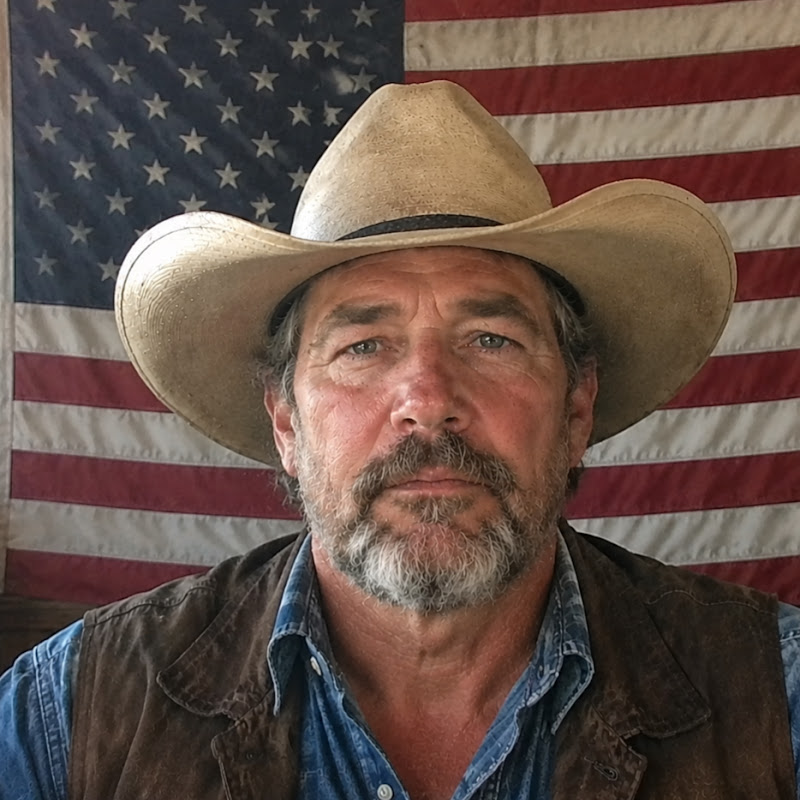
Wade Barlow
2.8K subscribers · median 2.1K views
AI avatar · confirmed$Likely
Views
324,287
+150 views/hour
Likes
6.8K
2.1% of views
Comments
243
0.07% of views
Checked every 24 h while the video is this age · last check 2m ago · next in 1438 min. YouTube itself updates public counts with a short delay.
Views / hour now
150
measured 2m ago
Peak views / hour
251
1d ago
Avg views / day
8.4K
since upload
First 24 hours
—
not tracked from upload
vs channel median
151.7×
Rank in channel
#1
of 12 tracked
Engagement
2.2%
likes + comments / views
Est. ad revenue
$1,297–$2,919
lifetime, $4–9 RPM
Views over time
0 readings · line: total views · bars: views gained per hour
Live tracking started
The chart fills in as FameX records new readings.
Description
00:00 - The Campfire Myth of the American Frontier
00:54 - Meet Wade Barlow & The Hard Target Handbook
01:31 - Historical Record vs. Frontier Memory
02:18 - Why Campfires Failed in Plains Blizzards
03:52 - The Bedroll & Canvas Tarp Survival System
05:13 - How Snow Provided Insulation
06:17 - Terrain Strategy: Low Spots & Cattle Windbreaks
07:18 - Body Heat & Winter Range Survival Tactics
08:24 - Range Realities: Line Camps & The Great Die-Up
10:14 - Debunking the Myth vs. Historical Fact
11:00 - Recommended Reading & Historical Sources
Hollywood movies always picture cowboys huddled around a roaring campfire during a freezing prairie blizzard, but those who actually rode the northern ranges in the 1870s and 1880s knew the truth: a fire was the first thing to go when a real storm set in. High winds burned through scarce fuel like cow chips and cottonwood at triple speed while throwing sparks into dry bedding. Sitting by a fire in a sixty-mile-an-hour wind was a quick way to freeze. To survive ten-hour winter nights, cowboys relied on practical physics, range sense, and gear designed for the harsh reality of the open plains.
The real key to survival was the bedroll system. Built around a heavy, waterproofed canvas tarpaulin lined with thick quilts called soogans and heavy wool blankets, the bedroll was designed to seal out the elements. When a blizzard hit, cowboys unrolled their beds in low spots like coulees or dry washes, climbed in, pulled the top canvas flap over their faces, and let the falling snow bury them completely. The trapped air within the snow drift created an insulating barrier against the wind, trapping body heat inside. To increase their chances, cowboys doubled up in single bedrolls to share heat, kept their boots and saddle blankets inside the roll, and avoided alcohol, which frontier doctors warned would cause rapid heat loss. While most hands spent winters in sheltered line camp dugouts, those caught out on the range survived by trusting canvas, snow, and terrain rather than a campfire.
If you enjoyed this breakdown of true frontier history, please hit the like button and subscribe to the channel! Drop a comment letting me know where you are watching from. For more practical strategies and simple solutions laid out step-by-step, check out my e-book, The Hard Target Handbook, using the link in the description below. Don't forget to turn on notifications so you never miss an upload, and click the videos on your screen to keep watching!
#CowboyHistory #AmericanWest #WildWest #FrontierLife #OldWest #HistoryUncovered #HistoricalMyths #BlizzardSurvival #SurvivalSkills #WinterSurvival #BedrollTactics #OpenRange #CowboyFacts #WadeBarlow #1880sHistory #MontanaHistory #WyomingHistory #PlainsBlizzard #GreatDieUp #HistoricalTruths #FrontierSurvival #RealHistory #OutdoorsSurvival #HistoricalGear #TrueWest #WestwardExpansion #19thCenturyHistory #DocumentedHistory #SurvivalTactics #HistoricFrontier
Details
- Published
- Sep 6, 2026, 2:10 PM
- Length
- 22:47 (1,367 s)
- Format
- Long-form
- Category
- People & Blogs
- Audio language
- EN
- Quality
- HD
- Captions
- No
- Made for kids
- No
- Licensed content
- Yes
- Video ID
- XK29GslbAMw
More from Wade Barlow
 20 Ways Cowboys Started a Fire in Rain, Wind, and Wet Wood930 views · 2w ago
 What Cowboys Did When Their Only Blanket Got Soaked — 40 Miles From Shelter3K views · 5w ago
 How Cowboys Stayed Warm All Night on Frozen Ground — With One Wool Blanket2K views · 5w ago
 100 Years of Cowboy Trail Wisdom in 40 Minutes317 views · 6w ago
 How One Chuck Wagon Cook Fed 20 Men for 4 Months - With No Fridge and No Store430 views · 6w ago
 20 "Poor Man" Tricks Cowboys Used Instead of $500 Camping Gear6.2K views · 6w ago
 How Cowboys Slept Warm in Freezing Rain - No Tent, No Sleeping Bag, No Fire68K views · 7w ago
 20 Things Hollywood Got Completely Wrong About Cowboys2.3K views · 7w ago
Statistics from the YouTube Data API, tracked by FameX. Views per hour, revenue and comparisons are FameX estimates.