Prepping & survivalDan Cooper | Ready HomeSKIP the $3,000 Power Station? What a $130 WALMART Battery Actually Runs in a Blackout
SKIP the $3,000 Power Station? What a $130 WALMART Battery Actually Runs in a Blackout
Long-form26:54Education
Published Oct 12, 2026, 6:41 PM · 2d ago

Dan Cooper | Ready Home
435 subscribers · median 367 views
AI avatar · likely44%
Views
179
+23 views/hour
Likes
6
3.4% of views
Comments
2
1.12% of views
Checked every 3 h while the video is this age · last check 1h ago · next in 84 min. YouTube itself updates public counts with a short delay.
Views / hour now
23
measured 1h ago
Peak views / hour
32
7h ago
Avg views / day
87
since upload
First 24 hours
—
not tracked from upload
vs channel median
0.5×
Rank in channel
#17
of 22 tracked
Engagement
4.5%
likes + comments / views
Est. ad revenue
—
channel not monetized
Views over time
20 readings · line: total views · bars: views gained per hour
Description
The power goes out on a January night. You have a $130 deep-cycle battery in the garage. How many hours will it actually give you, and what will it run?
In this video, we put one lead-acid battery up against a winter blackout, one load at a time: the refrigerator, lights and your phone, a CPAP machine, and the things it simply won't run. All hour figures are estimates; I show you how to measure your own with a simple voltmeter.
What you'll learn:
- Why the label shows two different numbers (114 amp-hours and 200 minutes of reserve), and which one your fridge lives on
- What a working setup really costs: inverter, charger, fuse and cables (about $300, not $130)
- How to estimate fridge hours from the yellow EnergyGuide sticker, and check it with a voltmeter
- How much a cold garage cuts your hours, and why an empty battery can freeze
- Where the battery should live, and why it charges only where there's good airflow
- What a second battery really adds
- Lights, phone and CPAP: what works and what to ask first
- Why a space heater, coffee maker or microwave is a bad trade on battery power
- How it compares to a sealed AGM battery, a lithium battery, and an all-in-one power station
Safety note: A lead-acid battery gives off gas while charging. Charge it only where there's good airflow, away from where anyone sleeps, and away from sparks and open flame. Put a fuse right at the battery post and keep covers on the posts. Never run a generator in the garage or near the house; carbon monoxide can kill. Connecting a battery to a furnace needs a licensed electrician. If you use a CPAP, talk to your doctor or equipment supplier before relying on a battery. This video is general information, not electrical or medical advice.
Prices were checked on Walmart.com in October 2026 and will change. Check current prices and stock before you go.
Sources:
Walmart.com product listings (EverStart Maxx Group 29DC, inverters, chargers, fuse holders, battery boxes, lithium batteries, power station)
Trojan Battery Company, Battery User's Guide (2019)
Honda Generators, Generator Safety Guidelines (wattage chart)
Samlex America, PST-1000 inverter specification sheet
Blue Sea Systems, circuit protection guidance (ABYC E-11)
REDARC, lithium battery charging in cold temperatures
ResMed, AirSense 11 DC/DC converter
FoodSafety.gov, food safety during power outages
EPA and CDC, generator and carbon monoxide safety
If this helped, subscribe for more calm, practical ways to keep your home ready for winter.
#PowerOutage #WinterPrep #BatteryBackup
Tags
battery backup for power outagecar battery power outagedeep cycle battery fridgewinter power outageblackout preparednesspower outage refrigeratorhow long will a battery run a fridgeinverter for refrigerator12v battery inverterdeep cycle marine batterycpap power outagelead acid battery cold weatherpower station alternativeemergency power for seniorswinter storm prepbattery backup refrigeratorpure sine wave inverter
Details
- Published
- Oct 12, 2026, 6:41 PM
- Length
- 26:54 (1,614 s)
- Format
- Long-form
- Category
- Education
- Audio language
- EN
- Quality
- HD
- Captions
- No
- Made for kids
- No
- Licensed content
- No
- Video ID
- YFz1q3Ft14I
More from Dan Cooper | Ready Home
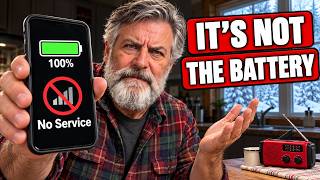 Why Your Cell Phone Goes Silent in a Long Blackout6 views · 4h ago
 Why You Wake Up Cold at 3 AM When the Power Is Out30 views · 21h ago
 18 Walmart Items Under $5 for a Winter Power Outag2K views · 3d ago
 Home Safety Tips That Can Actually Make Your Home More Dangerous After 60162 views · 5d ago
 10 Dollar Tree Items That Become WORTH GOLD in a Winter Blackout760 views · 6d ago
 No Power, No Heat in Your Apartment? Find the Warmest Spot Before It Gets Cold182 views · 1w ago
 Stop Overpaying for Winter Prep — What to Buy New,104 views · 1w ago
 How to Build a 7-Day No-Cook Winter Pantry4.3K views · 1w ago · +5/h
Statistics from the YouTube Data API, tracked by FameX. Views per hour, revenue and comparisons are FameX estimates.