Money & frugal livingMavis Blevins AppalachianHow To Insulate A Stone House & Not Destroy It - The Appalachian Way
How To Insulate A Stone House & Not Destroy It - The Appalachian Way
Long-form11:34People & Blogs
Published Sep 26, 2026, 11:30 AM · 2w ago
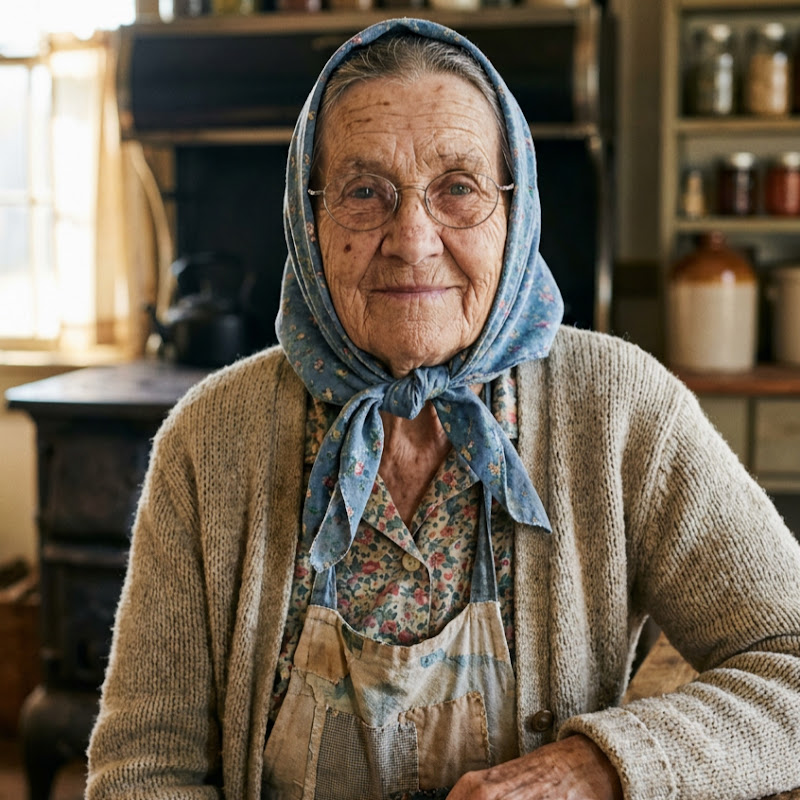
Mavis Blevins Appalachian
9 subscribers · median 101 views
AI avatar · confirmed1%
Views
98
+0 views/hour
Likes
1
1.0% of views
Comments
0
0.00% of views
Checked every 12 h while the video is this age · last check 7m ago · next in 712 min. YouTube itself updates public counts with a short delay.
Views / hour now
0
measured 7m ago
Peak views / hour
—
Avg views / day
5
since upload
First 24 hours
—
not tracked from upload
vs channel median
1.0×
Rank in channel
#4
of 5 tracked
Engagement
1.0%
likes + comments / views
Est. ad revenue
—
channel not monetized
Views over time
3 readings · line: total views · bars: views gained per hour
Description
Cold house, add insulation, done. Simple enough, unless the house is stone. Then it's how you lose the house.
Come on up the holler with Mavis to Mama's old rock house, laid up out of creek rock and fieldstone by her granddaddy and daddy after the First World War, with walls near two feet thick and not a hollow in them anywhere. Hollis spent fifty years fixing what other folks did to old houses, and Mavis has heard about it at supper more times than she cares to, so today she's settling the argument they have down at the feed store.
You'll learn what those old lime-and-rock walls were actually built to do, why that's the whole reason the house is still standing a hundred years later, and what happens the minute you put something in front of them that stops it. There's the story of the young couple who bought the Shelton place two hollers over, called in a crew with spray foam and a bag of cement, and what they found when they finally pulled the sheetrock. Mavis covers lime mortar versus Portland cement, why the mortar has to be softer than the rock, the one part of a stone house that always fails first, what the researchers over at Oak Ridge have been saying for fifty years, and the right order to warm up an old house without touching the stone at all: water, roof, drafts, floor, and only then the walls, if ever.
Plus what Mama did instead, from quilts and feed sacks on the north walls to banking the house with leaves every October, and a warning every old-house owner needs to hear before they seal a single crack. Whether you're into historic home restoration, solid wall insulation, breathable insulation, damp and condensation problems, energy efficiency, off-grid living, or you just inherited a cold rock house and want to keep it, this is the video to watch before anybody shows up with a foam gun.
So what's been done to your old house's walls, and do you actually know? Stay to the end, because the last thing Mavis says about sealing up an old house isn't about the house at all. It's about the people in it.
Tags
how to insulate a stone houseinsulating old stone wallsstone house insulationold house insulationsolid wall insulationbreathable insulationlime mortar vs cementlime pointingspray foam old housespray foam mistakesrock houseAppalachian homesteadingAppalachian grandmamountain grandmaMavis Blevinsold wayshistoric home restorationattic insulationweatherstrippingrising damphomesteadingoff grid livingfrugal livinghard winters
Details
- Published
- Sep 26, 2026, 11:30 AM
- Length
- 11:34 (694 s)
- Format
- Long-form
- Category
- People & Blogs
- Audio language
- EN
- Quality
- HD
- Captions
- No
- Made for kids
- No
- Licensed content
- No
- Video ID
- ZOvBXTQHlMk
More from Mavis Blevins Appalachian
 The Best Sweet Dough Recipe! Homemade Cinnamon Rolls! - The Appalachian Way20 views · 5d ago
 Why Grandma Boiled Dish Rags And Why I Tried It - The Appalachian Way102 views · 1w ago
 11 Ways I Cut My Electric Heat Bill In Half - The Appalachian Way473 views · 2w ago · +2/h
 How A Mountain Couple Stores Potatoes for Eight Months Without A Fridge185 views · 3w ago
Statistics from the YouTube Data API, tracked by FameX. Views per hour, revenue and comparisons are FameX estimates.