Cars & vehiclesGarage SenseiI Investigated 0W-20, 5W-30 & 5W-40 in the ENGINE — Only 1 Actually Earned It
I Investigated 0W-20, 5W-30 & 5W-40 in the ENGINE — Only 1 Actually Earned It
Long-form17:39People & Blogs2.5× channel median
Published Oct 1, 2026, 3:24 PM · 1w ago

Garage Sensei
133 subscribers · median 1.6K views
AI avatar · confirmed13%
Views
4,132
views/hour after the next reading
Likes
42
1.0% of views
Comments
28
0.68% of views
Checked every 12 h while the video is this age · last check 7h ago · next in 277 min. YouTube itself updates public counts with a short delay.
Views / hour now
—
needs two readings
Peak views / hour
—
Avg views / day
309
since upload
First 24 hours
—
not tracked from upload
vs channel median
2.5×
Rank in channel
#3
of 11 tracked
Engagement
1.7%
likes + comments / views
Est. ad revenue
—
channel not monetized
Views over time
1 readings · line: total views · bars: views gained per hour
Live tracking started
The chart fills in as FameX records new readings.
Description
I Investigated 0W-20, 5W-30 & 5W-40 in the ENGINE — Only 1 Actually Earned It
0W-20, 5W-30, or 5W-40 — which engine oil actually protects your engine best?
In this video, we investigate the real differences between these three popular motor oil grades and break down the claims that thicker oil always means better protection.
You’ll learn what the viscosity numbers actually mean, why modern engines are designed around specific oil grades, why Japanese automakers have moved toward thinner oils, and when using a thicker oil can actually make sense.
We also look at 0W-20 in modern Japanese cars, 5W-30 in older and high-mileage engines, 5W-40 in European and performance engines, turbocharged engines, hot climates, hybrids, oil dilution, and whether switching to thicker oil is really an upgrade.
Most importantly, we explain why the approval printed on the bottle — such as API SP, ILSAC GF-6, dexos, or manufacturer-specific approvals — can matter more than simply choosing the thickest oil on the shelf.
The real answer is not “thicker is always better.” The right oil is the grade your engine was designed for, with the correct approval, changed at the right interval.
If you drive a Toyota, Honda, Lexus, Mazda, Nissan, Subaru, or another Japanese car, this video could completely change how you choose engine oil.
What oil do you use right now: 0W-20, 5W-30, or 5W-40? Tell us your car, year, mileage, and climate in the comments.
Subscribe for more Japanese car tips, engine maintenance, oil change advice, mechanic secrets, and practical ways to make your car last longer.
#EngineOil #0W20 #5W30 #5W40 #CarMaintenance #JapaneseCars #MechanicTips
Tags
0W20 vs 5W305W30 vs 5W40engine oilmotor oilbest engine oiloil viscosity0W20 oil5W30 oil5W40 oilJapanese car maintenanceengine maintenanceToyota oilHonda oilhigh mileage oilturbo engine oilsynthetic oiloil change tipsAPI SP oilILSAC GF6car maintenance tips
Details
- Published
- Oct 1, 2026, 3:24 PM
- Length
- 17:39 (1,059 s)
- Format
- Long-form
- Category
- People & Blogs
- Audio language
- EN
- Quality
- HD
- Captions
- No
- Made for kids
- No
- Licensed content
- No
- Video ID
- bVyDoTdLqY8
More from Garage Sensei
 Why You Should NEVER Use 0W-20 After 100,000 Miles (Unless You Do THIS)1.6K views · 1d ago · +355/h
 Every Car Battery Brand Ranked WORST to BEST (Walmart Is No Longer #1)4.2K views · 3d ago · +31/h
 This SECRET Will Make Your Car’s Heat Blow Twice as Hot (Costs Under $25)1.1K views · 5d ago
 12 Car Hacks You Won’t Believe Actually Work!842 views · 1w ago
 Every Fuel Injector Cleaner Ranked WORST to BEST (You Won’t Believe #1)3.3K views · 1w ago
 This SECRET Will Restore Old Headlight to NEW in 1 Minute15.3K views · 1w ago
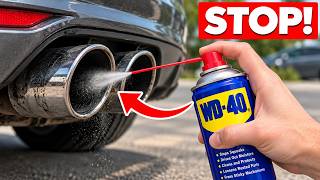 STOP Spraying WD-40 Until You Watch This (It Will Save You Hundreds)306 views · 2w ago
 How to Clean Car Windows Without Streaks (The Japanese Way)3.8K views · 2w ago
Statistics from the YouTube Data API, tracked by FameX. Views per hour, revenue and comparisons are FameX estimates.