Emergency Preparedness Checklist: What FEMA Says You're Missing
Long-form17:25
Published Oct 4, 2026, 4:00 PM · 1w ago
Prepper Base
11.3K subscribers · median 544 views
AI imagery · confirmed$Likely
Views
508
+0 views/hour
Likes
7
1.4% of views
Comments
0
0.00% of views
Checked every 12 h while the video is this age · last check 15h ago · next in 0 min. YouTube itself updates public counts with a short delay.
Views / hour now
0
measured 15h ago
Peak views / hour
1
1d ago
Avg views / day
45
since upload
First 24 hours
—
not tracked from upload
vs channel median
0.9×
Rank in channel
#13
of 20 tracked
Engagement
1.4%
likes + comments / views
Est. ad revenue
$3–$7
lifetime, $6–13 RPM
Views over time
3 readings · line: total views · bars: views gained per hour
Description
Emergency preparedness is more than a stockpile, and this video uses FEMA survey data to show which parts of a household emergency plan most Americans skip and how to close the gap in one afternoon.
FEMA's 2025 Annual Preparedness Survey found that 81 percent of Americans have gathered emergency supplies, 48 percent have created an emergency plan, and roughly 32 percent have practiced that plan in the past year. The gap between intending to prepare and actually preparing has closed by only 2 percent since 2013. This video walks through the five parts of household emergency preparedness (supplies, the plan, practice, information, and documents and money), explains what FEMA and Ready.gov recommend for each, and finishes with a three-hour checklist that covers most of what people leave out. It also corrects a widely repeated statistic about how many Americans have emergency supplies.
What's covered in this video:
- The three FEMA numbers that matter: 81 percent have supplies, 48 percent have a plan, and about 32 percent have practiced it in the past year.
- Why the claim that "only 48 percent of Americans have emergency supplies" misreads FEMA's 2023 National Household Survey, which measured people who assembled or updated supplies in the previous 12 months.
- How the share of people who assembled or updated supplies rose from 33 percent in 2022 to 48 percent in 2023.
- Ready.gov water guidance of one gallon per person per day, with three days as the minimum and two weeks as the goal, and why a family of four needs 56 gallons for two weeks.
- Water treatment with unscented household bleach less than a year old, following EPA guidance, and calcium hypochlorite sold as pool shock.
- The no-cook food layer for a multi-day power outage: canned fish, canned chicken, canned beans, canned fruit, peanut butter and a manual can opener.
- Food price changes in the BLS Consumer Price Index for August 2026, including canned fish up 6.1 percent and eggs down 23 percent.
- USDA
Tags
emergency preparednessdisaster preparednessemergency preparedness checklistemergency planfamily emergency planpreppingprepper pantryfood storageemergency food storageemergency water storageFEMA preparedness surveyemergency supplies listpower outage preparednessemergency kit checklistpreparedness for seniors
Details
- Published
- Oct 4, 2026, 4:00 PM
- Length
- 17:25 (1,045 s)
- Format
- Long-form
- Category
- —
- Audio language
- —
- Quality
- —
- Captions
- —
- Made for kids
- —
- Licensed content
- —
- Video ID
- bdcR_ZRY2qI
More from Prepper Base
 ULTIMATE Prepper Pantry: 2026 Canned Food Stockpile Secrets!265 views · 2d ago
 How Ancient People Survived Winter Without Electricity (7 Tricks That Still Work)428 views · 3d ago · +1/h
 15 FOODS to STOCKPILE Before Prices Climb (Pantry Preparedness)477 views · 4d ago
 15 SURVIVAL Tools to Buy Before the Next Outage (Most Under $40)1.1K views · 6d ago
 How Much EMERGENCY WATER Do You Actually Need?550 views · 1w ago
 How to Survive a Winter Power Outage (Without a Generator)296 views · 1w ago
 Super El Niño Is Coming: What It Means for Your Winter (and How to Prepare)160 views · 1w ago
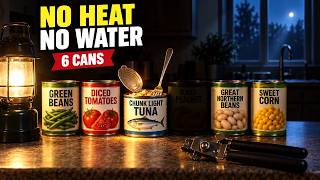 6 Canned Foods That Need No Heat, No Water, No Cooking258 views · 1w ago
Statistics from the YouTube Data API, tracked by FameX. Views per hour, revenue and comparisons are FameX estimates.