History & cultureMovies Explained ShortsWhen Quentin Tarantino Pulled Jamie Foxx Aside On Day One 🎬😳
When Quentin Tarantino Pulled Jamie Foxx Aside On Day One 🎬😳
Short0:41People & BlogsPublished Oct 13, 2026, 3:15 AM · 1w ago
Views
1,886,818
+1,702 views/hour
Views / hour now
1.7K
measured 4h ago
Peak views / hour
5K
13h ago
First 24 hours
—
not tracked from upload
Engagement
3.2%
likes + comments / views
Likes
60.5K
3.2% of views
Comments
408
0.02% of views
Est. ad revenue
—
Shorts pay from a shared pool
Checked every 12 h while the video is this age · last check 4h ago · next in 467 min. YouTube itself updates public counts with a short delay.
Avg views / day
264K
since upload
vs channel median
1.2×
this video's views ÷ the channel's usual
Rank in channel
#3
of 26 tracked
Views over time
10 readings
Total views Views gained per hour
Description
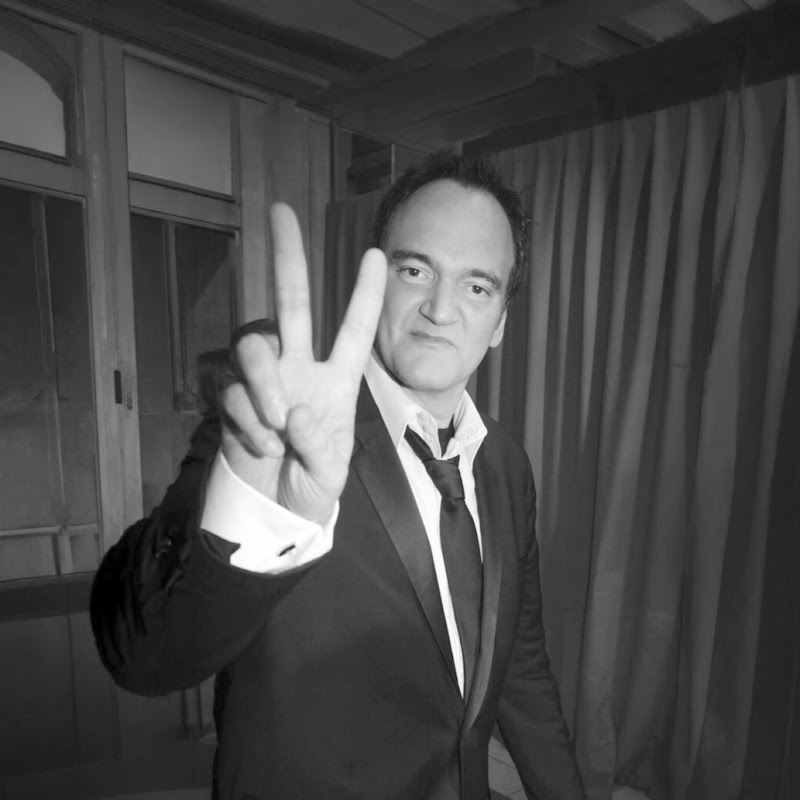
When Jamie Foxx arrived on the set of Django Unchained in late 2011, he carried with him the polish and self-assurance of an Oscar-winning star, qualities that Quentin Tarantino quickly recognized as an obstacle rather than an asset. As Foxx later recounted, the director pulled him aside on the very first day of filming and delivered a blunt correction: the man Foxx was playing was not a confident Hollywood figure but an enslaved person in the antebellum South, someone stripped of dignity, safety, and any assumption of personal power. Tarantino reportedly pressed him to abandon the instinctive swagger he had brought to the role and to inhabit the fear, vulnerability, and suppressed rage that bondage imposed, a demand made all the more unsettling by the film's brutal language and the presence of co-stars who had to hurl racial abuse at him in character. Foxx described the exchange as jarring, a moment that forced him to confront how far the historical reality of slavery lay from his own lived experience and public persona. The intervention reshaped his performance, grounding Django's eventual transformation into an avenger in a credible arc of degradation and awakening rather than in borrowed movie-star cool. In retrospect, the anecdote illuminated how Tarantino approached the film's volatile subject matter, insisting that its genre trappings rest on an unflinching depiction of slavery's psychological toll, a choice that fueled both the film's critical acclaim and the fierce debates it provoked about how American cinema represents its darkest history.
This video is intended solely for educational and historical analysis. It does not support, promote, or glorify war or any form of hatred. Its purpose is to present verified historical facts and encourage critical understanding of past events.
Details
- Published
- Oct 13, 2026, 3:15 AM
- Length
- 0:41 (41 s)
- Format
- Short (3 min or less)
- Category
- People & Blogs
- Audio language
- EN
- Quality
- HD
- Captions
- No
- Made for kids
- No
- Licensed content
- Yes
- Video ID
- f_D2-JMcIPM
More from Movies Explained Shorts
 Why Tim Robinson Loved Filming The Zipline Sketch 🎢😂27.6K views · 4h ago · +5.9K/h
 How Chuck Norris Landed His Fight With Bruce Lee 🥋🐉40.2K views · 5h ago · +4.1K/h
 Bill Hader Explains Fred Armisen’s Wedding Band SNL Sketch 🥁😂192K views · 7h ago · +11.3K/h
 How Anna Faris Landed Her Scary Movie Role 🎬😱291K views · 1d ago · +10.5K/h
 How Seth Rogen Came Up With The McLovin Joke 🪪😂470K views · 1d ago · +6.4K/h
 How Paul Rudd Tried To Make Will Ferrell Break 😂🐆1.6M views · 1d ago · +24.5K/h
 How Stephen Baldwin Ended Up In Half Baked 🎬😂524K views · 2d ago · +17.1K/h
 How Zac Efron And The Cast Kept Annoying Seth Rogen 😂🎬2.1M views · 2d ago · +95K/h
Statistics from the YouTube Data API, tracked by FameX. Views per hour, revenue and comparisons are FameX estimates.