CookingChef Albert Finch20 Forgotten BBQ Foods Your Grandpa Always Had On The Table (Gone and Forgotten)
20 Forgotten BBQ Foods Your Grandpa Always Had On The Table (Gone and Forgotten)
Long-form20:11Entertainment
Published Sep 12, 2026, 3:15 PM · 4w ago
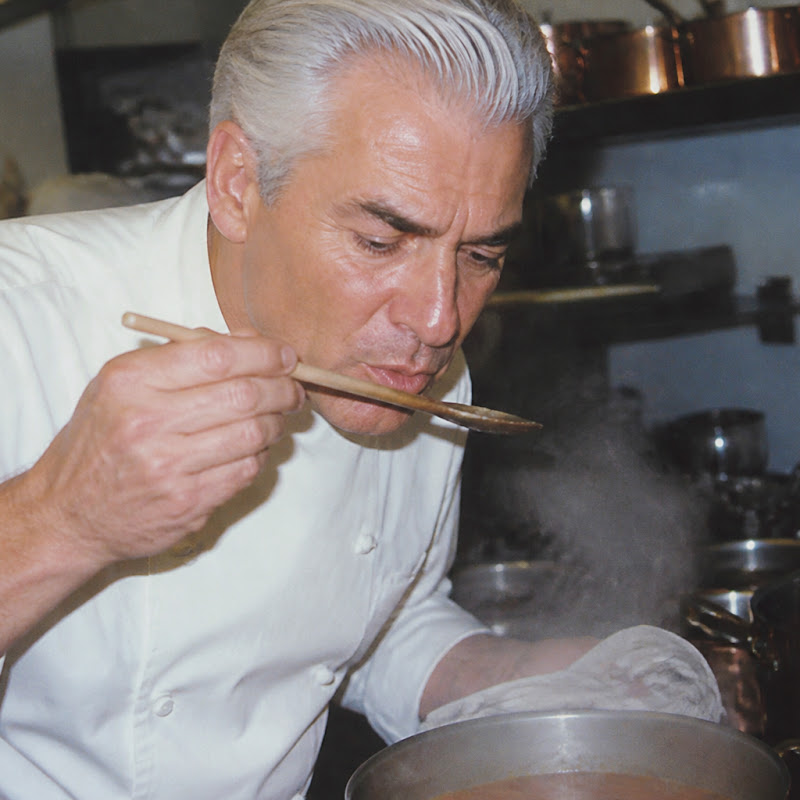
Chef Albert Finch
361 subscribers · median 298 views
AI avatar · confirmed32%
Views
123
+0 views/hour
Likes
3
2.4% of views
Comments
1
0.81% of views
Checked every 24 h while the video is this age · last check 8h ago · next in 949 min. YouTube itself updates public counts with a short delay.
Views / hour now
0
measured 8h ago
Peak views / hour
—
Avg views / day
4
since upload
First 24 hours
—
not tracked from upload
vs channel median
0.4×
Rank in channel
#18
of 20 tracked
Engagement
3.3%
likes + comments / views
Est. ad revenue
—
channel not monetized
Views over time
0 readings · line: total views · bars: views gained per hour
Live tracking started
The chart fills in as FameX records new readings.
Description
Your grandpa's table carried food that would stump half the cooks working today, and that is a compliment. Twenty dishes here, whole animals used top to bottom, cooked low and slow and honest, mostly gone from home kitchens now. This is a countdown of twenty forgotten barbecue foods that fed families for pennies a pound, ending on the one dish that explains why every other item on the list exists at all.
A straight word before the list, because this is nose-to-tail cooking and some of it carries real food-safety weight, which the video does not skip. A few of these, the wild game and the offal especially, must be cleaned right and cooked through, and the specific warnings are below. Get them right and they are some of the best eating on the list. Get them careless and they can genuinely make you sick. Respect the meat, and it repays you.
In this video, a cook of fifty years counts down 20 forgotten barbecue and nose-to-tail dishes, with the real method behind each and the safety every cook needs to hear.
You will discover:
✓ The smoked joint whose real job was never the plate but the bean pot, melting into gelatin that thickens the whole thing ✓ The organ Argentina grills without blinking, and the milk soak that pulls the sharp edge out before the fire ✓ The lean smoked meat you pull off the pit early, because there is no fat cap left to save it ✓ Why the fattiest cut on the hog, cooked slow, became the prize nobody talks about anymore ✓ The wild game that must be cleaned and cooked a very particular way, and the hospital trip that waits if it is not ✓ The soul-food tradition built from the "fifth quarter," and the bacterium every cook must cook it past ✓ Why nose-to-tail was never a trend, it was survival, and the skill that made the humble cuts worth fighting over ✓ Why the wealthy handed the best-tasting parts away without ever knowing it ✓ The Eastern Carolina whole hog at number one, chopped so every bite carries a little of everything ✓ Why the whole list comes down to one idea, an animal only goes to waste if the cook lets it
The thread under all twenty is that these dishes came from kitchens where throwing away a bone, a cheek, or a stomach lining was unthinkable, and the skill was in knowing what to do with the parts the butcher now gives away. Smoke a turkey neck into a pot of greens. Soak a kidney in milk before it meets the fire. Pull lean bison at a lower temperature than beef. Split a whole hog over coals and tend it by hand for a day. Almost none of it is expensive. All of it takes the one thing a modern kitchen forgot, patience.
Now the cautions, because they are not optional and the video treats them seriously. Wild game like raccoon can carry trichinella, so the scent glands come out first and the meat is cooked all the way through, well done, no shortcuts. Chitterlings, pig intestines, can carry Yersinia, a bacterium serious enough that health departments track it, so they must be cleaned scrupulously and cooked all the way past 165 degrees, no pink, no exceptions. Field-dressed wild game in general carries more risk than store meat, so cook it thoroughly. None of these are reasons to avoid the food. They are the difference between doing it right and ending up in a hospital bed, and the old cooks knew every one of them.
Here is the part worth keeping. Nose-to-tail was never a fashion or a restaurant gimmick. It was how a family got everything an animal had to give, and the cook who could turn a jowl or a stomach lining into feast food was the most valued person at the table. Before you throw out a bone, a cheek, or a scrap, ask what your grandfather would have done with it, because the answer was almost never the trash can. That skill was never lost because it failed. It was set down when meat got cheap, and you can pick it right back up.
Tell us in the comments which of these twenty actually showed up at your own family table, and the nose-to-tail dish somebody in your house cooked that most people today would not touch.
#BBQ #NoseToTail #WholeHog #SoulFood #Barbecue #OffalCooking #SouthernCooking #Smoking #FoodHistory #CookingFromScratch
Details
- Published
- Sep 12, 2026, 3:15 PM
- Length
- 20:11 (1,211 s)
- Format
- Long-form
- Category
- Entertainment
- Audio language
- EN
- Quality
- HD
- Captions
- No
- Made for kids
- No
- Licensed content
- No
- Video ID
- gMc4Q23BF7U
More from Chef Albert Finch
 The POOR Man's Steak That Lasts 2 Years Without a Fridge (1930s Survival Recipe)1.6K views · 4w ago
 ILLEGAL Now, But Normal to Eat in the 1920s! (You Won't Believe #1)978 views · 4w ago
 Genius Grandma Cooking TRICKS You’ll Wish You Knew Sooner (Vintage Kitchen Secrets)635 views · 4w ago
 25 CHEAP Winter Meals Poor Families Ate to Survive the Great Depression (Cheap and Comforting)335 views · 5w ago
 20 Depression-Era Foods That VANISHED From The Family Table (Lost to Time)253 views · 5w ago
 25 Forgotten HOMEMADE Snacks From the 1970s No One Makes Anymore (The Ones We All Miss)590 views · 5w ago
 The FORGOTTEN 1930s Survival Soup Balls (Make It Once, Eat for 2 Years)208 views · 5w ago
 The FORGOTTEN 1930 Survival Jar (Make Once, Eat for Months)400 views · 5w ago
Statistics from the YouTube Data API, tracked by FameX. Views per hour, revenue and comparisons are FameX estimates.