What Did Ancient Japanese Actually Do When Snow Buried Their Paper Houses?
Long-form10:13EducationPublished Oct 25, 2026, 2:59 AM · 6h ago

Views
411
+47 views/hour
Views / hour now
47
measured 22m ago
Peak views / hour
105
1h ago
First 24 hours
—
not tracked from upload
Engagement
1.2%
likes + comments / views
Likes
5
1.2% of views
Comments
0
0.00% of views
Est. ad revenue
$2–$4
lifetime, $4–9 RPM
Checked every 30 min while the video is this age · last check 22m ago · next in 8 min. YouTube itself updates public counts with a short delay.
Avg views / day
411
since upload
vs channel median
0.1×
this video's views ÷ the channel's usual
Rank in channel
#23
of 24 tracked
Views over time
6 readings
Total views Views gained per hour
Description
Before humans mastered controlled fire, our ancestors survived the ice age using biological cold defense and natural shelter.
Early hominins evolved in warm climates, but as they moved into colder regions, they relied on natural heat retention. We examine how shivering, brown fat, and communal huddling served as the primary means of survival long before the first hearths were built. By utilizing rock overhangs and south-facing slopes, these groups maintained body heat in a world without flame.
Archaeological evidence suggests that opportunistic use of natural fire from lightning strikes preceded the ability to create it. This transition marked a massive shift in human evolution, moving from passive endurance to warmth on demand. Understanding these prehistoric survival techniques reveals how our lineage persisted through hundreds of thousands of years of extreme cold.
Tags
controlled firehuman evolutionprehistoric survivalhominincold defense
Details
- Published
- Oct 25, 2026, 2:59 AM
- Length
- 10:13 (613 s)
- Format
- Long-form
- Category
- Education
- Audio language
- EN-US
- Quality
- HD
- Captions
- No
- Made for kids
- No
- Licensed content
- Yes
- Video ID
- nyzFGj9G2rM
More from inkly
 What Did Japanese Families Actually Do When Winter Hit –20°C?963 views · 21h ago · +81/h
 Why Did Japanese Families Sleep With Their Legs Under a Heated Table?1K views · 1d ago
 Why Did Medieval Peasants Sleep Next to Their Animals?352 views · 2d ago · +2/h
 How Did Inuit Survive Without Eating Vegetables?5.2K views · 3d ago · +15/h
 How Did the Inuit Heat Their Homes With No Wood to Burn?5.3K views · 4d ago · +27/h
 How Did Inuit Mothers Keep Babies Alive at –50°C?1.5K views · 5d ago · +1/h
 Why Did Icelanders Eat Rotten Shark to Survive Winter?1.9K views · 6d ago · +3/h
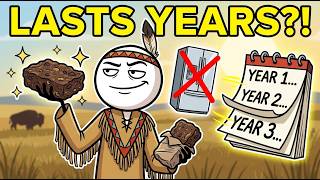 If Pemmican Lasted for Years Without a Fridge, Why Don’t We Eat It?3K views · 1w ago
Statistics from the YouTube Data API, tracked by FameX. Views per hour, revenue and comparisons are FameX estimates.