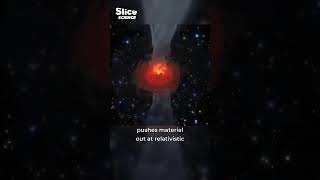
Capturing A Black Hole | SLICE SCIENCE
Short1:05
Published Sep 26, 2026, 1:30 PM · 2w ago

SLICE Science
107K subscribers · median 715 views
Stock footage · confirmed$Likely
Views
130
+0 views/hour
Likes
2
1.5% of views
Comments
0
0.00% of views
Checked every 12 h while the video is this age · last check 2h ago · next in 587 min. YouTube itself updates public counts with a short delay.
Views / hour now
0
measured 2h ago
Peak views / hour
—
Avg views / day
7
since upload
First 24 hours
—
not tracked from upload
vs channel median
0.2×
Rank in channel
#20
of 21 tracked
Engagement
1.5%
likes + comments / views
Est. ad revenue
—
Shorts pay from a shared pool
Views over time
2 readings · line: total views · bars: views gained per hour
Description
🔍 Full doc “How Scientists Imaged The Milky Way’s Supermassive Black Hole”
Link right here ▶️ https://www.youtube.com/watch?v=XxJHiBcX6ck
By linking radio telescopes around the world, astronomers created the Event Horizon Telescope, a detector effectively the size of Earth. Using this extraordinary tool, they imaged Sagittarius A*, the supermassive black hole at the heart of the Milky Way, more than four million times the mass of the Sun. This episode explores the science, technology and human ingenuity behind a breakthrough that transformed the way we observe the most mysterious objects in the universe.
Follow us Facebook: https://www.facebook.com/slicedocsfr
Instagram: https://www.instagram.com/slicedocs
We fully own the rights to the use of the published content.
Any illegal reproduction of this content will result in immediate legal action.
#blackhole #sagittariusa #milkyway #eventhorizontelescope #astronomy #astrophysics #space #cosmos #scienceexplained #science #documentary
Tags
scienceshortdocumentaryblackholemilkywayspaceastronomy
Details
- Published
- Sep 26, 2026, 1:30 PM
- Length
- 1:05 (65 s)
- Format
- Short (3 min or less)
- Category
- —
- Audio language
- —
- Quality
- —
- Captions
- —
- Made for kids
- —
- Licensed content
- —
- Video ID
- slYcZsldsgg
More from SLICE Science
 Inside 2016's Most Unpredictable Storm Season4 views · 1h ago
 Snow, Tornadoes And Wind: How Extreme Weather Works | SLICE SCIENCE | FULL DOC703 views · 1d ago
 Ghost Particles Buried in Antarctic Ice1K views · 4d ago · +2/h
 Asteroids: Planet Killers Or Clues To The Origins Of Life? | SLICE SCIENCE | FULL DOC1.7K views · 4d ago · +3/h
 Everything About Titanium, Gallium And Nickel | SLICE SCIENCE753 views · 4d ago
 Inside The Chemistry Of Titanium, Gallium And Nickel | SLICE SCIENCE | FULL DOC772 views · 6d ago · +1/h
 The Anomaly Einstein Refused to Believe1.3K views · 1w ago
 Scientists Are Programming Bacteria Like Computer Code697 views · 1w ago
Statistics from the YouTube Data API, tracked by FameX. Views per hour, revenue and comparisons are FameX estimates.