Homesteading & gardening20 percentEngineers Dumped 1,500 Old Tires Into a Dry Desert River — What Emerged Changed Everything
Engineers Dumped 1,500 Old Tires Into a Dry Desert River — What Emerged Changed Everything
Long-form17:14
Published Sep 23, 2026, 11:42 PM · 3w ago

20 percent
7K subscribers · median 1.2K views
AI imagery · confirmed$Likely
Views
968
+0 views/hour
Likes
5
0.5% of views
Comments
0
0.00% of views
Checked every 12 h while the video is this age · last check 3h ago · next in 499 min. YouTube itself updates public counts with a short delay.
Views / hour now
0
measured 3h ago
Peak views / hour
—
Avg views / day
46
since upload
First 24 hours
—
not tracked from upload
vs channel median
0.8×
Rank in channel
#13
of 20 tracked
Engagement
0.5%
likes + comments / views
Est. ad revenue
$5–$11
lifetime, $5–11 RPM
Views over time
2 readings · line: total views · bars: views gained per hour
Description
A student attempted an unconventional erosion control project by building a dam with 1,500 tires in a dry desert riverbed.
By 1996, the Arroyo Altar Valley had been suffering from severe erosion for 80 years, with infrastructure failing to survive more than two decades. Joshua Minyard, a student with limited experience, proposed an ambitious solution: using discarded tires to slow down water flow and stabilize the land. He enlisted 15 individuals on probation to construct the barrier, working against the looming threat of the annual monsoon season.
This project serves as a case study in ecological engineering and the complexities of land management. While the plan seemed risky, it highlights the desperate measures often taken to address long-standing environmental degradation. By exploring the history of this tire dam, we can better understand the challenges of using unconventional methods for soil conservation in arid landscapes.
Subscribe for weekly environmental science breakdowns, and comment below if you want to see more stories about ecological recovery projects.
Tags
erosion controlecological engineeringsoil conservationenvironmental history
Details
- Published
- Sep 23, 2026, 11:42 PM
- Length
- 17:14 (1,034 s)
- Format
- Long-form
- Category
- —
- Audio language
- —
- Quality
- —
- Captions
- —
- Made for kids
- —
- Licensed content
- —
- Video ID
- z26LB8dYaWA
More from 20 percent
 Japan Found the Last 5 Crested Ibis Left on Earth in 1981 — 45 Years Later, a Miracle Happened435 views · 1d ago · +76/h
 He Fenced Off a Dead Australian Farm and Removed Every Animal Inside — What Followed Was Impossible476 views · 2d ago
 He Dumped 100 Tons of Iron Into the Pacific — What Came Back Shocked Scientists10K views · 3d ago · +261/h
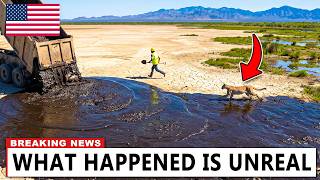 Everyone Said Dirt Can't Bring Back a Swamp — Then a Panther Walked In1.1K views · 5d ago · +3/h
 A Couple Dropped 12,000 Tons of Orange Peels on Dead Land — Then Government Did Unbelievable7.3K views · 1w ago · +3/h
 She Fenced Off Every Dead Creek on Her Land for 25 Years — Then Something Came Back20.8K views · 1w ago · +59/h
 Israel Found 6,000-Year Old Seeds in a Desert Cave - What Followed Was Impossible880 views · 1w ago
 She Planted 50,000 Trees in a Dead Desert — Then Went Looking for the Stranger Who Made It Possible3.5K views · 1w ago
Statistics from the YouTube Data API, tracked by FameX. Views per hour, revenue and comparisons are FameX estimates.