The Economics of Owning a Bus Business | Business Case Study
Long-form17:48People & Blogs17.4× channel median
Published Oct 1, 2026, 7:33 AM · 2w ago

HinExp
84.1K subscribers · median 88.7K views
Animation · confirmed$Likely
Views
1,545,046
+1,021 views/hour
Likes
8.1K
0.5% of views
Comments
203
0.01% of views
Checked every 12 h while the video is this age · last check 1h ago · next in 628 min. YouTube itself updates public counts with a short delay.
Views / hour now
1K
measured 1h ago
Peak views / hour
1.6K
1d ago
Avg views / day
103K
since upload
First 24 hours
—
not tracked from upload
vs channel median
17.4×
Rank in channel
#1
of 22 tracked
Engagement
0.5%
likes + comments / views
Est. ad revenue
$7,725–$16,996
lifetime, $5–11 RPM
Views over time
4 readings · line: total views · bars: views gained per hour
Description
The Economics of Owning a Bus Business | Business Case Study
How does the bus business actually make money?
A ₹1,000–₹1,200 sleeper bus ticket can make it look like a bus owner is making tens of thousands of rupees every night. But the reality is very different. Behind every ticket are huge expenses like diesel, tolls, driver salaries, maintenance, insurance, taxes, booking commissions and monthly EMI.
In this detailed Bus Business Case Study, we break down the complete business model of the Indian private bus industry and find out where the real money comes from.
In this video, we cover:
• How much does it cost to buy a bus in India?
• How much does a Volvo sleeper bus cost?
• How much can a bus owner earn every month?
• How does a private sleeper bus make money?
• How much does diesel cost for a long-distance bus?
• How much profit can a bus generate?
• How do RedBus, Paytm and other booking platforms work?
• How do bus booking commissions affect profits?
• What is the bus attachment system?
• How do government bus tenders work?
• How can bus operators earn through government contracts?
• What are the biggest expenses in the bus business?
• How do EMI, maintenance, tyres, insurance and salaries affect profit?
• What is the All India Tourist Permit (AITP)?
• How do permits and taxes affect bus operators?
• Why can an empty bus become a major financial loss?
• What are the major risks involved in running a bus business?
We also compare two major business models: operating your own bus on private routes and operating buses through government tenders.
The video explains why high ticket revenue does not necessarily mean high profit, and why choosing the right route, controlling expenses, maintaining high occupancy and keeping the bus on the road are critical for profitability.
From a single sleeper bus to a fleet of 20+ buses, we explore how the numbers can scale and why some operators invest crores into this business despite the high risks.
If you are interested in business case studies, entrepreneurship, Indian businesses, transportation, logistics, economics and understanding how real-world businesses make money, this video is for you.
Note: The figures discussed in the video are estimates and industry-reported figures. Actual revenue, costs and profits can vary depending on the bus model, route, occupancy, fuel prices, financing, taxes, maintenance and operating conditions.
If you found this video useful, LIKE the video and SHARE it with someone who thinks owning a bus is an easy way to become rich.
SUBSCRIBE for more detailed business case studies explaining how India's biggest businesses actually make money.
#BusBusiness #BusinessCaseStudy #BusBusinessIndia #IndianBusiness #BusinessInIndia #SleeperBus #VolvoBus #TransportationBusiness #BusinessModel #Entrepreneurship #BusinessEconomics #HowBusinessesMakeMoney
Tags
bus businessbus business in indiabus business case studyhow bus business makes moneysleeper bus businessbus owner profitbus business profittransport business indiaprivate bus businessvolvo bus businessbus industry indiatransportation businessbusiness case study indiahow businesses make moneyindian business case study
Details
- Published
- Oct 1, 2026, 7:33 AM
- Length
- 17:48 (1,068 s)
- Format
- Long-form
- Category
- People & Blogs
- Audio language
- EN
- Quality
- HD
- Captions
- No
- Made for kids
- No
- Licensed content
- Yes
- Video ID
- z4cw6TJ4zmM
More from HinExp
 कुछ दुकानों पर हमेशा भीड़ क्यों रहती है? | 7 Business Psychology Tricks448 views · 1h ago · +399/h
 How BIG BAZAAR Died ? किशोर बियानी और Big Bazaar की पूरी कहानी | Business Case Study49.7K views · 2d ago · +1.7K/h
 The Economics of Owning a DUMPER Business | Business Case Study60.2K views · 4d ago · +132/h
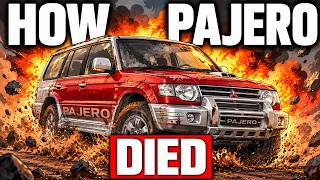 How PAJERO Died | The Dark Truth Behind Legendary SUV | Business Case Study141K views · 5d ago · +599/h
 How to find land for investment | #indianbusiness232K views · 6d ago · +2.2K/h
 Why Buy Home Make Much Sense | The Real Math11.7K views · 1w ago · +7/h
 The Economics of Owning a TRANSPORT Business | Business Case Study218K views · 1w ago · +588/h
 The Economics Of Real Estate | How Real Estate Works99.7K views · 1w ago · +109/h
Statistics from the YouTube Data API, tracked by FameX. Views per hour, revenue and comparisons are FameX estimates.