Homesteading & gardeningFarmer LouieHow Japanese Farmers Turn Backyard Weeds Into Free Feed for
500 Chickens
How Japanese Farmers Turn Backyard Weeds Into Free Feed for 500 Chickens
Long-form13:55Education9.9× channel median
Published Sep 25, 2026, 5:30 PM · 3w ago

Farmer Louie
1.3K subscribers · median 163 views
AI imagery · confirmed$Likely
Views
1,622
+0 views/hour
Likes
8
0.5% of views
Comments
1
0.06% of views
Checked every 12 h while the video is this age · last check 20h ago · next in 0 min. YouTube itself updates public counts with a short delay.
Views / hour now
0
measured 20h ago
Peak views / hour
—
Avg views / day
76
since upload
First 24 hours
—
not tracked from upload
vs channel median
9.9×
Rank in channel
#1
of 20 tracked
Engagement
0.5%
likes + comments / views
Est. ad revenue
$8–$18
lifetime, $5–11 RPM
Views over time
3 readings · line: total views · bars: views gained per hour
Description
What if the weeds growing around your backyard could become free supplemental feed for
500 chickens?
In this video, we explore 10 Japanese forage plants that can provide chickens with
additional protein, vitamins, minerals, and natural variety—from stinging nettle and
purslane to comfrey, clover, mulberry leaves, dokudami, yomogi, and azolla.
You'll see how these plants can be integrated into a managed foraging system around fence
lines, paddocks, shaded areas, and water sources, turning overlooked vegetation into
another farm resource.
The goal isn't to eliminate balanced commercial feed, but to reduce dependence on
purchased feed by making better use of forage already available on the property.
From weeds growing beside the chicken coop to azolla multiplying on the surface of a pond,
these Japanese-inspired methods show how a farm can turn something most people throw
away into a useful part of the feeding system.
Perfect for backyard chicken keepers, homesteaders, small farmers, and anyone interested
in low-cost poultry feeding and Japanese farming methods.
Legal Notice: This video is created under Section 107 of the Copyright Act 1976 (fair use)
for educational and commentary purposes. Some visuals may belong to their respective
owners. Contact for credit or removal.
Details
- Published
- Sep 25, 2026, 5:30 PM
- Length
- 13:55 (835 s)
- Format
- Long-form
- Category
- Education
- Audio language
- EN
- Quality
- HD
- Captions
- No
- Made for kids
- No
- Licensed content
- Yes
- Video ID
- zn4sQU2hoe8
More from Farmer Louie
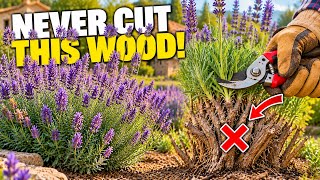 Since I Learned This, My Lavender Comes Back 100x Stronger Every Spring — Lavender Care127 views · 2d ago · +19/h
 The SECRET to GIANT Tomatoes Next Year — Do This ONE Thing Before Winter129 views · 3d ago
 5 Things You MUST Do to Your Strawberries Before Winter — Or Wait Another Year159 views · 5d ago
 NEVER Plant These 8 Vegetables Next to Each Other — Most Gardeners Don't Know This179 views · 6d ago
 12 Spring Bulbs You MUST Plant in October — Miss This Window and Wait a Full Year164 views · 1w ago
 10 Winter Vegetables You'll Be HEARTBROKEN Missing This Planting Window146 views · 1w ago
 12 Perennials You MUST Prune Before WINTER (And 6 That Will Die If You Touch Them)130 views · 1w ago
 5 Garlic Varieties You Must Plant in October for the Biggest Harvest172 views · 1w ago
Statistics from the YouTube Data API, tracked by FameX. Views per hour, revenue and comparisons are FameX estimates.