Why This Mysterious Fossil Changes Human History
Long-form20:16Education
Published Sep 8, 2026, 4:00 PM · 5w ago
Highly Compelling
100K subscribers · median 20.9K views
AI imagery · confirmed$Likely
Views
39,302
+2 views/hour
Likes
612
1.6% of views
Comments
259
0.66% of views
Checked every 24 h while the video is this age · last check 9h ago · next in 851 min. YouTube itself updates public counts with a short delay.
Views / hour now
2
measured 9h ago
Peak views / hour
2
9h ago
Avg views / day
1K
since upload
First 24 hours
—
not tracked from upload
vs channel median
1.9×
Rank in channel
#2
of 21 tracked
Engagement
2.2%
likes + comments / views
Est. ad revenue
$157–$354
lifetime, $4–9 RPM
Views over time
0 readings · line: total views · bars: views gained per hour
Live tracking started
The chart fills in as FameX records new readings.
Description
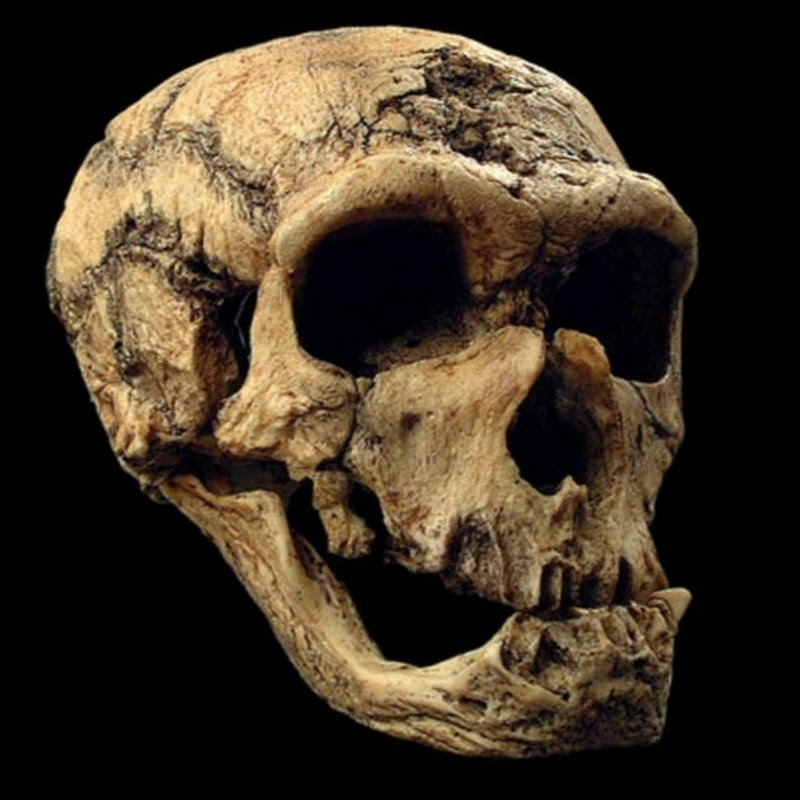
New analysis of Yunxian Man 3 fossils challenges current timelines of early human migration. Learn why these skulls change our history.
Researchers recently re-examined fossil skulls discovered in China that were originally dated to roughly one million years ago. By applying updated dating methods, scientists now believe these remains may be up to 1.77 million years old, forcing a re-evaluation of how Homo erectus spread across East Asia. This video breaks down the evidence behind this chronological puzzle and what it means for our understanding of early human dispersal patterns out of Africa.
For anyone interested in anthropology or human evolution, this update offers a crucial look at how new technology impacts archaeological records. We explore the specific details of the Yunxian Man findings and why the timeline shift is significant for the field. The discovery suggests that early hominids were moving across the continent much earlier than previously confirmed, reshaping the narrative of our ancestors' movement.
Subscribe for weekly science and anthropology breakdowns, and comment below with your thoughts on how this changes the history of human migration.
The oldest in situ Homo erectus crania in eastern Asia: The Yunxian site dates to ~1.77 Ma
https://pubmed.ncbi.nlm.nih.gov/41706848/
Tags
YUNXIAN 3YUNXIANDENISOVANHOMO ERECTUSYunxian Manhuman migrationHomo erectusearly human dispersalfossil skulls
Details
- Published
- Sep 8, 2026, 4:00 PM
- Length
- 20:16 (1,216 s)
- Format
- Long-form
- Category
- Education
- Audio language
- EN
- Quality
- HD
- Captions
- No
- Made for kids
- No
- Licensed content
- Yes
- Video ID
- 3OLgFWJZefE
More from Highly Compelling
 The Buried Truth About Aboriginal Australian Origins30.7K views · 1d ago · +1.8K/h
 Why Out of African Theorists Hid The Truth About Neanderthals26.9K views · 3d ago · +47/h
 Did Neanderthals Reach This Mediterranean Island?6.7K views · 5d ago · +2/h
 The Cave Discovery That Changes Everything About Human History19.3K views · 1w ago · +8/h
 What Happened to Earth 41,000 Years Ago is Terrifying22.1K views · 1w ago · +6/h
 CHINA’S LOST VALLEY OF HUMANS THAT COULD REWRITE HUMAN ORIGINS28K views · 2w ago · +3/h
 Were Early Humans at War in the Levant 100,000 Years Ago?7.6K views · 2w ago
 This Study is the Nail in the Coffin to the "Out of East Africa Theory"50.2K views · 2w ago · +4/h
Statistics from the YouTube Data API, tracked by FameX. Views per hour, revenue and comparisons are FameX estimates.