The Psychology of Money: 5 Lessons From a Janitor Worth $8 Million
Long-form9:20EducationPublished Sep 26, 2026, 4:20 PM · 3w ago

Views
761
views/hour after the next reading
Views / hour now
—
needs two readings
Peak views / hour
—
First 24 hours
—
not tracked from upload
Engagement
1.3%
likes + comments / views
Likes
10
1.3% of views
Comments
0
0.00% of views
Est. ad revenue
$8–$18
lifetime, $10–24 RPM
Checked every 12 h while the video is this age · last check 10h ago · next in 114 min. YouTube itself updates public counts with a short delay.
Avg views / day
31
since upload
vs channel median
0.6×
this video's views ÷ the channel's usual
Rank in channel
#13
of 19 tracked
Views over time
1 readings
Total views Views gained per hour
Live tracking started
The chart fills in as FameX records new readings.
Description
A janitor named Ronald Read passed away in 2014. When his family opened his finances, they found eight million dollars. He didn't win the lottery. He never earned six figures. He just behaved well with money, consistently, for decades.
Based on ideas from "The Psychology of Money" by Morgan Housel, Mr. Owe breaks down 5 lessons on why investing success has less to do with intelligence and more to do with behavior, using simple stickman animation and real, relatable examples.
IN THIS VIDEO
- Lesson 1: why volatility is the price you pay for long-term returns, not a warning sign
- Lesson 2: why there's always a bigger number, and why chasing it can wreck your finances
- Lesson 3: why what looks "crazy" with money often makes perfect sense from someone else's life
- Lesson 4: why the biggest market shocks are the ones nobody sees coming, and how to prepare anyway
- Lesson 5: why pessimism always sounds smarter than optimism, even when it isn't
QUICK ANSWERS
Who is Ronald Read, and is his story real?
He was a Vermont gas station attendant and janitor who quietly invested in stocks for decades and left behind roughly $8 million when he died in 2014, most of it to a local library and hospital.
What is "The Psychology of Money" about?
It's a book by Morgan Housel arguing that financial success is more about behavior, patience, and mindset than about intelligence or financial knowledge.
Do I need to be smart with numbers to invest well?
No. Consistency and emotional discipline, staying invested through downturns and not chasing comparisons, matter more than raw math skill.
Why do markets crash without warning?
The biggest market-moving events are often what researchers call "black swans," rare, high-impact events that only look predictable in hindsight.
QUESTION FOR YOU
Which of these five lessons hits closest to home for you? And which country are you watching from? Tell me in the comments.
This video is a summary and commentary on ideas from "The Psychology of Money" by Morgan Housel, not a reproduction of the book's text. If this video helped you, the book itself is well worth reading in full: [add your book link, e.g. an affiliate or publisher link]
This video is for education, not financial advice.
SUBSCRIBE
Mr. Owe explains money, debt, and the global economy with simple stickman animation. New videos every [day/week]: [channel link]
Next video: how to manage your money using the 50-30-20 rule.
Educational content only. Not financial, investment, legal, or tax advice.
#PsychologyOfMoney #MorganHousel #PersonalFinance
Tags
financeeconomystickman animationfinance explainedeconomy explainedpsychology of moneymorgan houselpsychology of money summarybook summarypersonal financeinvesting for beginnersinvesting psychologyronald read janitor millionairestock market investingfinancial literacymoney mindsethow to investwealth buildinganimated explainerstickman explainedexplained like you are 5pov explainedexplains moneyexplains financesfinances pov
Details
- Published
- Sep 26, 2026, 4:20 PM
- Length
- 9:20 (560 s)
- Format
- Long-form
- Category
- Education
- Audio language
- EN
- Quality
- HD
- Captions
- No
- Made for kids
- No
- Licensed content
- No
- Video ID
- 6lsDTEkGiks
More from Owe Explains
 Japan Just Dumped $36B US Bonds and Why EU Might Be Next55 views · 10h ago
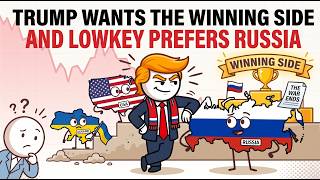 Why Trump Wants Ukraine to Lose And What To Do About It291 views · 1d ago
 Bond Market Collapse: America Hits a Financial Breaking Point2.8K views · 3d ago · +3/h
 AI Bubble Fears: A Crash Could Trigger Global Financial Shock482 views · 4d ago · +2/h
 Sweden Drops US Payments, Germany Rejects Trump, Canada Aligns with EU2.3K views · 5d ago · +2/h
 Trump Just Created The Debt Spiral480 views · 6d ago
 Trump’s Russia Diesel Deal AS Canada Launches $14B Oil Project78.6K views · 1w ago
 Trump Announces America Will Buy Diesel From RUSSIA127K views · 1w ago
Statistics from the YouTube Data API, tracked by FameX. Views per hour, revenue and comparisons are FameX estimates.