History & cultureGenefallThis Walrus Skull in a European Museum Explains What Happened to Greenland's Vikings
This Walrus Skull in a European Museum Explains What Happened to Greenland's Vikings
Long-form10:53Education
Published Sep 15, 2026, 5:05 PM · 4w ago
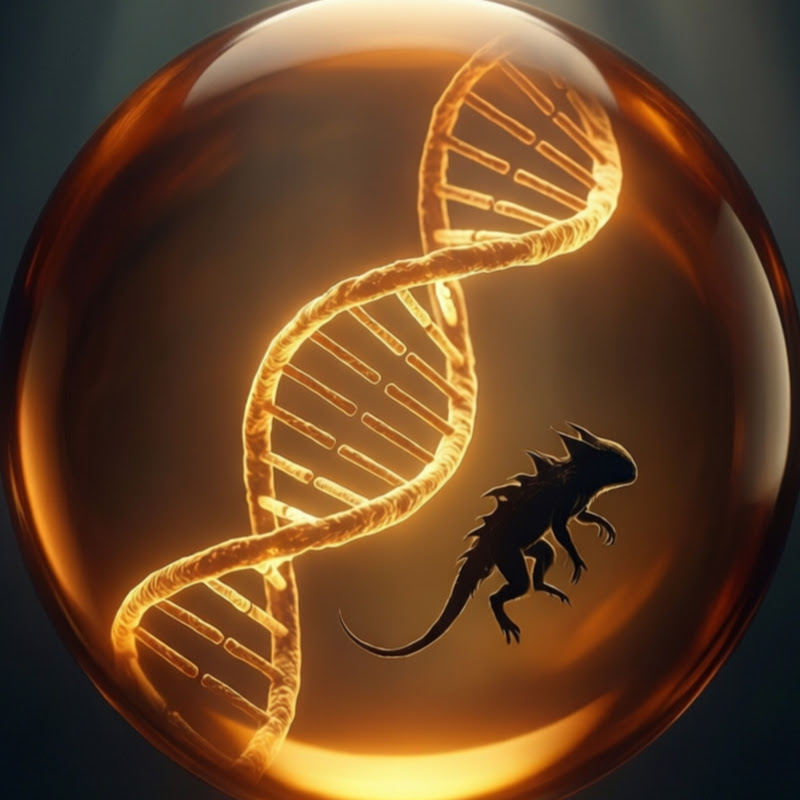
Genefall
3.8K subscribers · median 8.2K views
AI imagery · confirmed$Likely
Views
7,551
+0 views/hour
Likes
35
0.5% of views
Comments
7
0.09% of views
Checked every 24 h while the video is this age · last check 10h ago · next in 809 min. YouTube itself updates public counts with a short delay.
Views / hour now
0
measured 10h ago
Peak views / hour
—
Avg views / day
236
since upload
First 24 hours
—
not tracked from upload
vs channel median
0.9×
Rank in channel
#12
of 20 tracked
Engagement
0.6%
likes + comments / views
Est. ad revenue
$30–$68
lifetime, $4–9 RPM
Views over time
1 readings · line: total views · bars: views gained per hour
Live tracking started
The chart fills in as FameX records new readings.
Description
For centuries, mainstream history assumed Greenland's Norse colonists starved because they stubbornly refused to adapt to the freezing North Atlantic environment. But 67 pieces of medieval packing waste, discarded walrus skulls scattered across European museum collections, tell a radically different story of a specialized hunting economy, resource exhaustion, and global market collapse. Rather than an isolated farming community failing to adjust, the colony operated as a commercial enterprise reliant on exporting luxury ivory to Europe in exchange for essential imports like iron and timber. As centuries of overhunting depleted local herds and forced hunters into hazardous northern waters for smaller animals, a sudden market crash driven by West African elephant ivory coincided with rising sea levels that swallowed vital coastal pastures, bringing a quiet end to the settlements.
Video Timestamps:
0:00: The Medieval Shipping Container Made of Bone
0:49: What Is a Rostrum?
1:31: The 67 Skulls That Rewrote Viking History
2:48: Reframing the Colony: A Business, Not a Farm
4:32: Following the Walruses Westward
5:06: Biological Collapse Written into the Bone
6:27: African Elephant Ivory and the Market Crash
7:33: The Little Ice Age and Rising Sea Levels
8:43: Drowning Coastal Pastures
9:49: The Perfect Storm That Erased Norse Greenland
In This Video:
- The Medieval Shipping Container: How Norse hunters used the front of a walrus skull (rostrum) as a rigid protective casing to ship precious ivory tusks across months of treacherous sea travel.
- A Continental Monopoly: Why ancient DNA and isotope analysis prove that almost all walrus ivory in medieval Europe—from ornate crucifixes to the famous Lewis chessmen—passed through a handful of Greenland farms.
- The Resource Death Spiral: How centuries of overhunting decimated local walrus populations, forcing hunters into perilous northern waters for smaller animals just as African elephant ivory flooded European markets.
- The Drowned Colony: How climate modeling reveals a counterintuitive disaster during the Little Ice Age: growing ice sheets pressed down on the earth and pulled ocean water inward, drowning over 200 square kilometers of crucial coastal pasture.
- A Business, Not a Farm: Why the end of Norse Greenland was not a simple agricultural failure, but a commercial network unraveling when it lost access to imported iron and timber.
Featured Research & Scientific Sources:
- Barrett et al., Quaternary Science Reviews (Walrus rostrum provenance, genomic tracking, and stable isotope analysis)
- North Atlantic Biocultural Organization (NABO) (Zooarchaeology, settlement patterns, and marine diet isotopes)
- Harvard & Penn State study, Proceedings of the National Academy of Sciences (PNAS) (Little Ice Age crustal deformation and sea-level rise modeling)
Tags
Greenland VikingsNorse GreenlandViking HistoryArchaeologyWalrus IvoryMedieval TradeWalrus SkullRostrumViking CollapseHistorical MysteriesLittle Ice AgeAncient Trade NetworksLewis ChessmenErik the RedMedieval HistoryHistory DocumentaryEnvironmental HistoryViking SettlementMedieval EconomyAncient ArchaeologyGreenland HistoryLost ColoniesIvory TradeBioarchaeologyEconomic Collapse
Details
- Published
- Sep 15, 2026, 5:05 PM
- Length
- 10:53 (653 s)
- Format
- Long-form
- Category
- Education
- Audio language
- EN
- Quality
- HD
- Captions
- No
- Made for kids
- No
- Licensed content
- Yes
- Video ID
- G3mVLd4YMXI
More from Genefall
 Scientists Found Out What Really Happened Inside The Last of the Mohicans Fort411 views · 2d ago
 The Mercury Laced Latrine of Lewis and Clark Expedition Just Got Even Stranger35.4K views · 4d ago · +3/h
 Something About the Mayflower Pilgrims Doesn’t Make Sense Anymore15.6K views · 6d ago · +26/h
 Archaeologists Unearthed Something in Georgia That Doesn’t Match the Mound Builder Story470 views · 1w ago
 They Found 100 Viking Objects in One Hole, But Something Was Very Wrong1.1K views · 1w ago
 The 63 Foot Mound in Georgia Nobody Has Ever Opened2.9K views · 1w ago
 Something About Salem's Execution Site No Longer Makes Sense18K views · 2w ago · +6/h
 Archaeologists Unearthed Something in Wyoming That Doesn't Match the Comanche Timeline575 views · 2w ago
Statistics from the YouTube Data API, tracked by FameX. Views per hour, revenue and comparisons are FameX estimates.