Every Major Disease We Can’t Cure Explained
Long-form11:14
Published Jul 25, 2026, 5:00 PM · 2mo ago

Humentary
5.8K subscribers · median 716 views
Animation · confirmed$Likely
Views
145
+0 views/hour
Likes
4
2.8% of views
Comments
0
0.00% of views
Checked every 24 h while the video is this age · last check 18h ago · next in 321 min. YouTube itself updates public counts with a short delay.
Views / hour now
0
measured 18h ago
Peak views / hour
1
1d ago
Avg views / day
2
since upload
First 24 hours
—
not tracked from upload
vs channel median
0.2×
Rank in channel
#20
of 20 tracked
Engagement
2.8%
likes + comments / views
Est. ad revenue
$1–$1
lifetime, $4–10 RPM
Views over time
0 readings · line: total views · bars: views gained per hour
Live tracking started
The chart fills in as FameX records new readings.
Description
Why can doctors stop some diseases, slow others, and still fail to remove the original problem?
This video explains 10 familiar diseases that medicine still cannot fully cure: rabies after symptoms begin, advanced or metastatic cancer, HIV, Alzheimer’s disease, type 1 diabetes, herpes, Parkinson’s disease, lupus, multiple sclerosis, and ALS.
“Incurable” does not always mean untreatable or immediately fatal. HIV can often be controlled so well that the viral load becomes undetectable. Insulin allows people with type 1 diabetes to replace a function their pancreas can no longer perform. Modern treatments can reduce lupus flares, slow multiple sclerosis, improve Parkinson’s symptoms, and modestly delay decline in some people with early Alzheimer’s. The problem is that control is not the same as removing the disease.
Each condition survives or continues for a different reason.
Rabies travels through nerves toward the brain. Post-exposure treatment can prevent disease before symptoms, but clinical rabies is nearly always fatal.
Cancer is not one disease. Many cancers can be cured. This video focuses on advanced or metastatic cancer, where changing cancer cells may spread across different organs, resist treatment, or remain hidden for years.
HIV inserts genetic material into infected cells and creates a latent reservoir. Antiretroviral therapy blocks active replication, but it cannot remove every silent infected cell.
Alzheimer’s, Parkinson’s, multiple sclerosis, and ALS damage parts of the nervous system that the body cannot easily rebuild. Some treatments protect remaining function or improve signals, but they do not restore every lost neuron or connection.
Type 1 diabetes and lupus begin with the immune system attacking healthy tissue. Doctors can replace insulin or suppress harmful inflammation, but permanently correcting the immune system without weakening normal defense remains difficult.
Herpes simplex becomes latent inside sensory nerve cells. Antiviral d
Details
- Published
- Jul 25, 2026, 5:00 PM
- Length
- 11:14 (674 s)
- Format
- Long-form
- Category
- —
- Audio language
- —
- Quality
- —
- Captions
- —
- Made for kids
- —
- Licensed content
- —
- Video ID
- Gw3qpG8f7TI
More from Humentary
 Apa Rasanya Mati Kecanduan Narkoba568 views · 23h ago · +21/h
 Apa Rasanya Mati Terkena Headshot42.1K views · 6d ago · +197/h
 Apa Rasanya Mati Karena Tidak Bergerak Seharian6.1K views · 1w ago · +9/h
 Apa Rasanya Mati Jatuh Dari Ketinggian1.9M views · 1w ago · +4.5K/h
 What Getting Killed from Snakes Crush Feels Like2K views · 2w ago · +5/h
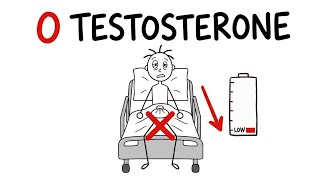 What Dying from Having No T*sticles Feels Like1.1K views · 3w ago · +2/h
 Why Can't We Just Make Snorkels Longer?796 views · 5w ago · +1/h
 Why Do We Still Use IQ Tests?636 views · 6w ago · +1/h
Statistics from the YouTube Data API, tracked by FameX. Views per hour, revenue and comparisons are FameX estimates.