Health & beautyYour Body's Secrets Why Your Heart Is Most Vulnerable in the First 45 Minutes After Waking
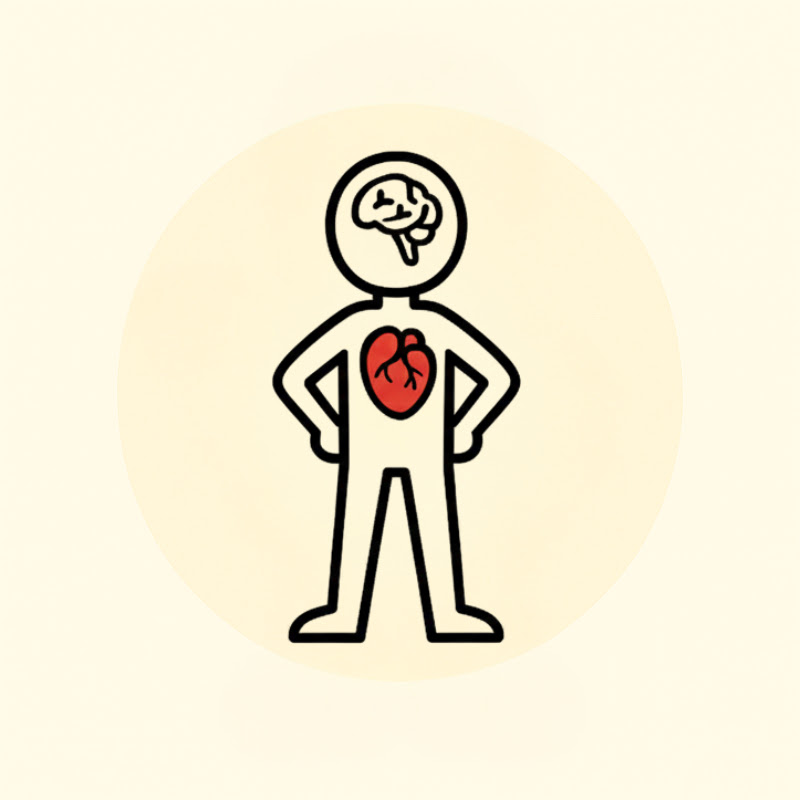
Why Your Heart Is Most Vulnerable in the First 45 Minutes After Waking
Long-form29:54People & BlogsPublished Sep 27, 2026, 3:00 PM · 3w ago
Views
985
+0 views/hour
Views / hour now
0
measured 6h ago
Peak views / hour
—
First 24 hours
—
not tracked from upload
Engagement
3.9%
likes + comments / views
Likes
38
3.9% of views
Comments
0
0.00% of views
Est. ad revenue
$6–$14
lifetime, $6–14 RPM
Checked every 12 h while the video is this age · last check 6h ago · next in 341 min. YouTube itself updates public counts with a short delay.
Avg views / day
45
since upload
vs channel median
0.6×
this video's views ÷ the channel's usual
Rank in channel
#17
of 20 tracked
Views over time
1 readings
Total views Views gained per hour
Live tracking started
The chart fills in as FameX records new readings.
Description
#hearthealth #heartattack #highbloodpressure
SUBSCRIBE FOR WEEKLY BODY BREAKDOWNS -@yourbodysecrets12
Why your heart is most vulnerable in the first 45 minutes after waking is not bad luck. It is a morning surge in blood pressure plus stickier blood meeting the exact moment you stand up and start moving.
In this video, you will learn what happens to your heart in the first 45 minutes after waking, why heart attack and stroke cluster from 6 AM to noon, how cortisol awakening response and adrenaline spike workload, why platelets get stickier while clot clearing is weakest, and a safer morning routine that lowers risk without changing your whole life.
What you will learn:
- Why the first 45 minutes after waking carry the sharpest heart risk
- The morning surge explained, sympathetic switch, adrenaline, cortisol peak at 30 to 45 minutes
- Why standing up adds a second jolt as vessels fight gravity to feed the brain
- Sticky platelets, weak fibrinolysis, tight endothelium, and thicker blood from overnight dehydration
- The perfect storm, high demand plus low supply on vulnerable plaque
- The broader 6 AM to noon window and why the first hour is the tip of the spear
- Who must pay closest attention, known heart disease, prior heart attack or stroke, high blood pressure, diabetes, high cholesterol, smoking, overweight, family history, older age
- A safer wake up, gentle alarm, sit 1 to 2 minutes before standing, water first, no sudden max effort
- Snow shoveling, intense morning exercise in the cold, toilet straining, and large caffeine dose, why timing matters
- Blood pressure medication timing, what to ask your doctor, never self adjust
- Long term protection, blood pressure, smoking, activity, weight, cholesterol, blood sugar, steady sleep
Master heart health in one sitting, not as fear of mornings, but as biology you can work with. Calmer wake up, thinner blood, lower surge, stronger reserve.
Many people feel fine, then get hit by a small trigger. Plaque builds quietly for years. In the morning, heart rate and contraction force rise, vessels constrict, blood pressure jumps, platelets clump easier, natural clot dissolving runs low, vessel lining relaxes poorly, and mild dehydration thickens blood. Rest hides the problem. The stand up and go moment exposes it. That is why a cold morning, heavy lift, or strain can be the final nudge.
From cortisol to clotting to dehydration to routine to long term control, from adrenaline to ABI style risk checks to sleep schedule to emergency signs, this is the full biology of why your heart is most vulnerable in the first 45 minutes after waking and exactly what to do tomorrow morning.
Do you bolt out of bed, skip water, or train hard right after waking. Tell us your routine in the comments, and subscribe for weekly breakdowns on what your body does after everyday habits.
Chapters:
0:00 Why The First 45 Minutes Are Most Dangerous
2:45 The Morning Surge That Shocks Your Heart
6:10 Cortisol Awakening Response Explained
9:30 Sticky Blood And Weak Clot Clearing
13:05 The Perfect Storm Inside Your Arteries
16:40 Who Is Most At Risk In The Morning
20:15 A Safer First 45 Minute Routine
24:30 Long Term Fixes For Morning Heart Risk
28:15 When To Call Emergency Immediately
Disclaimer: Educational only. Not medical advice. Talk to your clinician before changing diet, exercise, sleep or medication, especially if you have chest pain, shortness of breath, high blood pressure, heart disease, diabetes, or take heart or blood pressure drugs. Call emergency immediately for chest pain, pressure, shortness of breath, pain to arm neck or jaw, sudden weakness, or slurred speech.
SUBSCRIBE for more deep dives just like this - @yourbodysecrets12
CONNECT WITH US!
========================================
YouTube: @yourbodysecrets12
========================================
#hearthealth #heartattack #highbloodpressure #heartdisease #bloodpressure #stroke #cardiovascularhealth #preventheartattack #bloodclot #morningroutine
Tags
heart attackheart healthhigh blood pressureheart attack symptomsheart diseaseblood pressurestroke symptomsprevent heart attackcardiovascular healthhow to lower blood pressureblood clotchest painheart attack causesheart health tipsmorning routineblood circulationhealthy hearthigh blood pressure symptoms
Details
- Published
- Sep 27, 2026, 3:00 PM
- Length
- 29:54 (1,794 s)
- Format
- Long-form
- Category
- People & Blogs
- Audio language
- EN-US
- Quality
- HD
- Captions
- No
- Made for kids
- No
- Licensed content
- Yes
- Video ID
- HYxSVBxWs28
More from Your Body's Secrets
 What Happens to Your Brain Between 70 and 80 (The Changes You Never Notice)1.1K views · 19h ago · +34/h
 Some People Stay Strong at 80 While Others Decline After 708.3K views · 1d ago · +252/h
 If You're Over 75 and Can Still Do These 6 Things, Your Body Is Stronger Than You Think13.2K views · 2d ago · +139/h
 9 Foods That Rebuild Collagen After 60 Better Than Collagen Powder8.4K views · 3d ago · +78/h
 What Happens to Your Body Between 70 and 80 (The 10 Changes Nobody Explains)34.4K views · 4d ago · +109/h
 If You're Over 70 and Can Still Do These 7 Things, Your Body Is Aging Exceptionally Well341K views · 6d ago · +716/h
 What Happens to Your Brain When You Finally Get Hearing Aids After 70878 views · 1w ago
 Surgery After 60 The Complete Guide to Protecting Your Brain745 views · 1w ago
Statistics from the YouTube Data API, tracked by FameX. Views per hour, revenue and comparisons are FameX estimates.