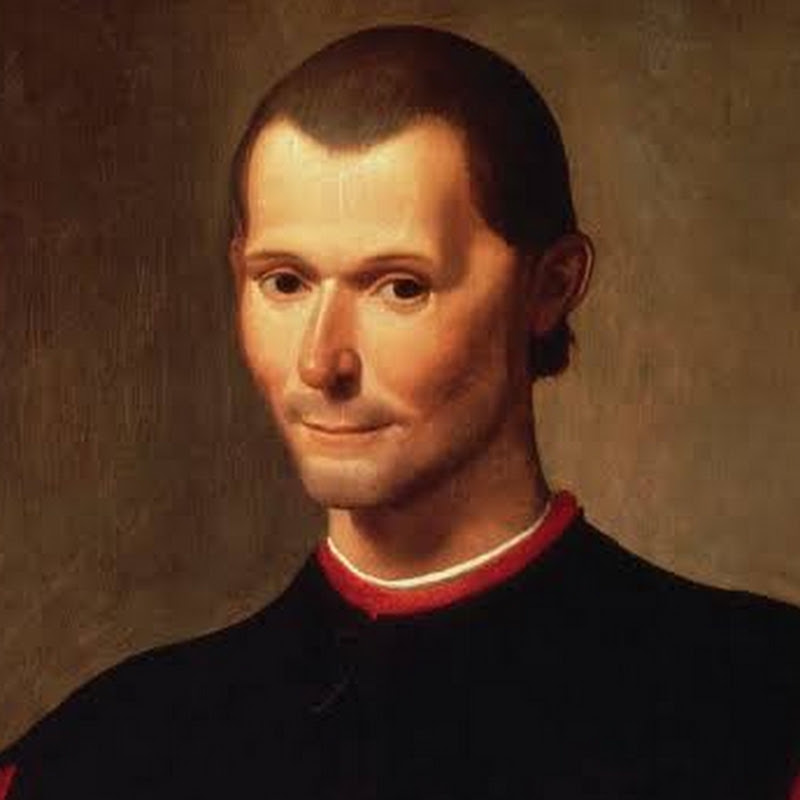
Machiavelli on Building Unshakable Discipline
7.3× channel medianLong-form25:18EducationPublished Aug 19, 2026, 11:39 PM · 2mo ago
Views
14,286
+1 views/hour
Views / hour now
1
measured 13h ago
Peak views / hour
1
13h ago
First 24 hours
—
not tracked from upload
Engagement
2.6%
likes + comments / views
Likes
353
2.5% of views
Comments
15
0.10% of views
Est. ad revenue
$69–$154
lifetime, $4.8–10.8 RPM
Checked every 24 h while the video is this age · last check 13h ago · next in 645 min. YouTube itself updates public counts with a short delay.
Avg views / day
230
since upload
vs channel median
7.3×
this video's views ÷ the channel's usual
Rank in channel
#4
of 18 tracked
Views over time
0 readings
Total views Views gained per hour
Live tracking started
The chart fills in as FameX records new readings.
Description
Machiavelli on Building Unshakable Discipline
What does Machiavellian philosophy have to say about self-discipline, emotional control, self-command, and the ability to make deliberate decisions?
In this video, we explore six principles inspired by Machiavellian ideas and related philosophical concepts, focusing on how discipline can be developed through self-awareness, emotional regulation, independence, consistency, and personal standards.
Rather than asking how to control other people, the central question is:
How much control do we actually have over ourselves?
Six Principles of Discipline
1. The Discipline of Silence
Why keeping some intentions private can help you focus on execution rather than external approval.
2. Emotional Control
How creating space between an emotion and your response can lead to more deliberate decisions.
3. The Value of Solitude
Why developing independence can change how you approach approval, rejection, relationships, and difficult situations.
4. The Power of Deliberate Action
Why recognizing automatic reactions can help you become more intentional in the way you respond.
5. The Importance of Standards
How small compromises can gradually influence your habits and why maintaining personal standards matters.
6. Changing Old Patterns
Why lasting personal change often requires confronting familiar habits, excuses, and behaviors that no longer serve you.
The goal isn't to become emotionless or cruel.
It's to become more deliberate, self-aware, and consistent.
To experience emotions without automatically acting on them.
To make decisions without constantly depending on external approval.
And to maintain your standards even when motivation disappears.
Philosophical Ideas & References
📚 The Prince — Niccolò Machiavelli
📚 Discourses on Livy — Niccolò Machiavelli
📚 Meditations — Marcus Aurelius
📚 The 48 Laws of Power — Robert Greene
Disclaimer
This video is provided for educational, informational, and philosophical discussion. The ideas discussed are presented as interpretations of philosophical works and concepts relating to discipline, human behavior, self-control, and personal development. This content is not intended to encourage harm, coercion, manipulation, harassment, or unethical behavior. Viewers should use their own judgment and apply these ideas responsibly.
🔔 Subscribe to Get Set Upgrade for more videos exploring philosophy, psychology, self-mastery, human behavior, discipline, and strategic thinking.
Which principle would be most useful for your own self-discipline?
#Machiavelli #MachiavelliPhilosophy #SelfDiscipline #SelfMastery #Psychology #SelfControl #EmotionalControl #Discipline #PersonalDevelopment #MentalStrength #Philosophy #StrategicThinking
One thing I especially recommend removing
I'd remove this entire section from the old description:
“COMMENT YOUR COMMITMENT — I choose discipline over reaction.”
Not because CTAs are inherently a problem, but because the description already has a very strong “join the movement / next descent / become harder to control” tone. For the YPP review, I'd keep the CTA simple and natural.
I'd also remove “masculine self improvement,” “dark psychology,” “power psychology,” and similar keyword stuffing from the old description. They aren't necessary to describe this particular video.
Most importantly, the new description still preserves your channel's identity. It doesn't pretend the video is something it isn't. It simply makes the educational/philosophical purpose much clearer.
One factual caution: because you list The 48 Laws of Power and Meditations as references, only keep them if those works actually informed this specific video. Don't add sources just to make the description look more researched.
Tags
#machiavelli#darkdicipline#psychology#machiavellianPhilosophy#mindset#stoicism#mentaltoughness#darkpsychology#personaldevelipment
Details
- Published
- Aug 19, 2026, 11:39 PM
- Length
- 25:18 (1,518 s)
- Format
- Long-form
- Category
- Education
- Audio language
- EN
- Quality
- HD
- Captions
- No
- Made for kids
- No
- Licensed content
- No
- Video ID
- LhzzAsOHo6I
More from Mind Upgrade
 Get Set Upgrade Live Stream0 views · 2w ago
 Machiavelli's Dark Sales Psychology | 99% of People Don't Know These Selling Secrets129K views · 3w ago · +649/h
 Struggling With Consistency? Listen to This | Napoleon Hill’s Powerful Speech1.9K views · 4w ago
 How to Create Connections With Powerful People | Machiavelli’s 13 Laws for Social Climbing47.2K views · 5w ago · +12/h
 Machiavelli's 21 Laws of Power, Explained814 views · 5w ago · +3/h
 Machiavelli's 7 Rules for Building Wealth Quietly3.1K views · 6w ago
 Why the Most Foolish People End Up in Power – Machiavelli Philosophy2K views · 6w ago
 5 Machiavellian Strategies for Earning Respect10.2K views · 7w ago · +1/h
Statistics from the YouTube Data API, tracked by FameX. Views per hour, revenue and comparisons are FameX estimates.