Prepping & survivalDan Cooper | Ready HomeEmergency Water Storage: Why Drinking Water Alone Isn’t Enough.
Emergency Water Storage: Why Drinking Water Alone Isn’t Enough.
Long-form24:36Education
Published Sep 26, 2026, 1:30 PM · 2w ago

Dan Cooper | Ready Home
435 subscribers · median 367 views
AI avatar · likely44%
Views
425
+0 views/hour
Likes
14
3.3% of views
Comments
0
0.00% of views
Checked every 12 h while the video is this age · last check 5h ago · next in 404 min. YouTube itself updates public counts with a short delay.
Views / hour now
0
measured 5h ago
Peak views / hour
—
Avg views / day
23
since upload
First 24 hours
—
not tracked from upload
vs channel median
1.2×
Rank in channel
#12
of 22 tracked
Engagement
3.3%
likes + comments / views
Est. ad revenue
—
channel not monetized
Views over time
2 readings · line: total views · bars: views gained per hour
Description
The CDC recommends storing 1 gallon of water per person per day. But here is the math almost every homeowner gets wrong: a single flush of a modern toilet takes 1.6 gallons of water.
In a long power outage or water grid failure, flushing the toilet just three times burns through your entire day's drinking supply.
In this video, we break down why storing "just drinking water" is the biggest mistake you can make during a blackout, how to divide your home into Clean Water vs. Working Water, and the hidden 50 gallons already sitting inside your house right now.
TIMESTAMPS:
00:00 The 1.6-Gallon Flush Trap
01:15 Clean Water vs. Working Water (Why You Must Label Both)
03:40 The Kitchen Water Leak: Rice, Bleach & Hand Dishes
06:20 The DIY Countertop Handwashing Station
08:15 How to Flush a Toilet With No Water Pressure (The Right Way)
10:50 WARNING: When You Must NEVER Flush During a Blackout
13:10 How to Drain 50 Gallons from Your Water Heater Safely
15:40 Tapping Your Pipes & Freezer Ice
17:30 The Overnight Tape Test (Find Your Real Water Number)
Key rules covered in this guide:
1. Never mix your supplies: Keep Clean Water (drinking, cooking, teeth) separate from Working Water (toilets, cleaning).
2. Pour into the bowl, never the tank: Learn the single-pour method to clear a toilet using less than a gallon.
3. Don't burn your water heater: Turn off the gas/breaker before draining the tank to prevent element burnout when the power returns.
Subscribe to Blackout Ready Home for practical, no-hype survival advice and home preparedness guides.
#EmergencyWater #WaterStorage #BlackoutPreparedness #Prepping #OffGridLiving
Tags
emergency water storageno running waterwater outage preparationemergency water supplywater storage for homehow much water to storeflush toilet without waterwater heater emergency waterhousehold emergency preparednesspower outage waterBlackout Ready Home
Details
- Published
- Sep 26, 2026, 1:30 PM
- Length
- 24:36 (1,476 s)
- Format
- Long-form
- Category
- Education
- Audio language
- EN
- Quality
- HD
- Captions
- No
- Made for kids
- No
- Licensed content
- No
- Video ID
- NaMfajpLSg8
More from Dan Cooper | Ready Home
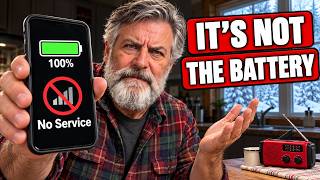 Why Your Cell Phone Goes Silent in a Long Blackout21 views · 10h ago
 Why You Wake Up Cold at 3 AM When the Power Is Out30 views · 1d ago
 SKIP the $3,000 Power Station? What a $130 WALMART Battery Actually Runs in a Blackout179 views · 2d ago
 18 Walmart Items Under $5 for a Winter Power Outag2K views · 3d ago
 Home Safety Tips That Can Actually Make Your Home More Dangerous After 60162 views · 5d ago
 10 Dollar Tree Items That Become WORTH GOLD in a Winter Blackout760 views · 6d ago
 No Power, No Heat in Your Apartment? Find the Warmest Spot Before It Gets Cold182 views · 1w ago
 Stop Overpaying for Winter Prep — What to Buy New,104 views · 1w ago
Statistics from the YouTube Data API, tracked by FameX. Views per hour, revenue and comparisons are FameX estimates.