History & cultureHidden Annunaki with ThomasThe Anunnaki Tablet That Says Enki Marked Certain Humans With His Own Hand— And Who Still Carries It
The Anunnaki Tablet That Says Enki Marked Certain Humans With His Own Hand— And Who Still Carries It
Long-form28:476.7× channel median
Published Oct 13, 2026, 3:30 PM · 3d ago
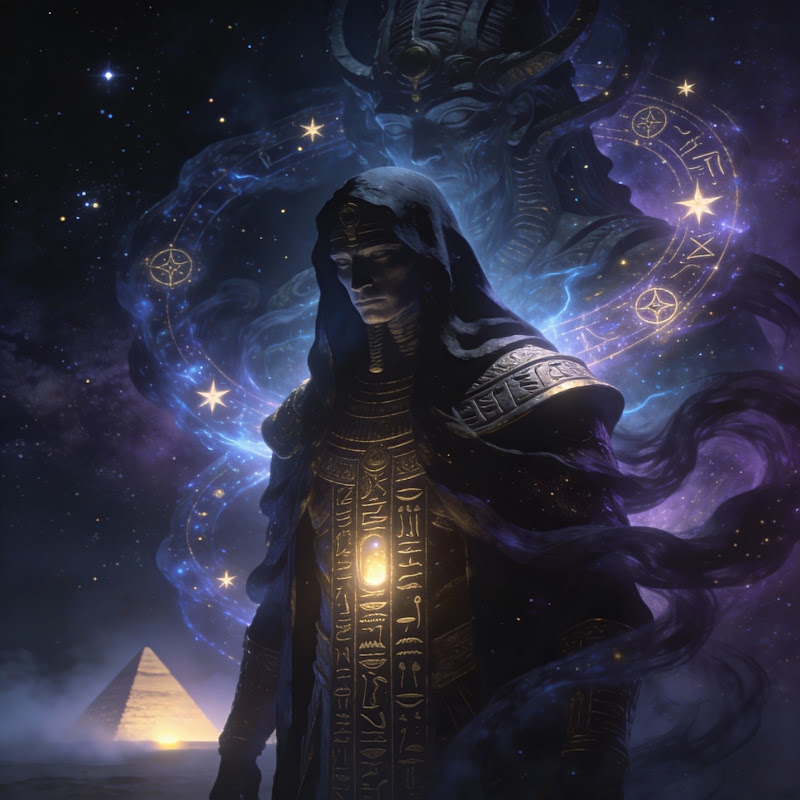
Hidden Annunaki with Thomas
16.6K subscribers · median 6.1K views
AI imagery · confirmed$Likely
Views
41,069
+214 views/hour
Likes
243
0.6% of views
Comments
29
0.07% of views
Checked every 3 h while the video is this age · last check 13m ago · next in 167 min. YouTube itself updates public counts with a short delay.
Views / hour now
214
measured 13m ago
Peak views / hour
989
1d ago
Avg views / day
11.2K
since upload
First 24 hours
9.9K
views at 24 h
vs channel median
6.7×
Rank in channel
#4
of 23 tracked
Engagement
0.7%
likes + comments / views
Est. ad revenue
$164–$370
lifetime, $4–9 RPM
Views over time
52 readings · line: total views · bars: views gained per hour
Description
The Clay Tablet Where Enki Chose Certain Humans, and the Secret Lineage That Guarded His Mark
Nearly four thousand years ago, Sumerian scribes recorded a contest between two gods over the shape of human bodies. One god decreed a fate for each body placed before him. Centuries later, a Babylonian priesthood claimed the same god's hidden knowledge and wrote strict rules about who could inherit it, and who could never be allowed near it.
This documentary follows that inheritance across two thousand years of cuneiform evidence. It begins in the ruins of Nippur and Sippar and passes through the library of Ashurbanipal at Nineveh. It reaches a temple archive in Hellenistic Uruk, where scribes signed their names as descendants of ancient ancestors. The trail ends in the marshes of southern Iraq, where modern geneticists asked whether the people of Sumer ever really disappeared.
Was the mark of Enki a myth, a credential, or something carried in the blood?
🔬 THE SCIENCE:
The evidence rests on primary cuneiform sources edited by leading Assyriologists. These include the Sumerian composition Enki and Ninmah, the Akkadian Atrahasis epic, the Enmeduranki texts from Nineveh, and British Museum tablet BM 38681, published through the Cuneiform Commentaries Project at Yale. Scholarly colophons from Late Babylonian Uruk document family lines that ran for centuries, until cuneiform writing fell silent in the first century CE.
On the genetic side, a 2011 study in BMC Evolutionary Biology examined Y chromosome and mitochondrial DNA variation in 143 Marsh Arab men from southern Iraq. This is the population considered most closely linked to the ancient Sumerians. The video sets mainstream interpretations, including the view that these genealogies were professional legitimacy rather than biology, alongside alternative readings. It weighs both at equal strength and leaves the conclusion to you.
📚 SOURCES AND FURTHER READING:
Lambert, W. G. (1967). Enmeduranki and Related Matters. Jo
Tags
AnunnakiSumerianmythologyancientcivilizationscosmicenergiesspiritualsymbolismMesopotamianhistoryancientsecretslostknowledgeEgyptianmysteriessacredgeometryancientgodscosmicawakeningancientwisdommythologypyramids
Details
- Published
- Oct 13, 2026, 3:30 PM
- Length
- 28:47 (1,727 s)
- Format
- Long-form
- Category
- —
- Audio language
- —
- Quality
- —
- Captions
- —
- Made for kids
- —
- Licensed content
- —
- Video ID
- UzjOodn96lI
More from Hidden Annunaki with Thomas
 The Anunnaki Tablet That Says Certain Humans Were Born With Second Heart—And When It Starts Beating.918 views · 15h ago
 Sumerian Text Reveals Mars Is Not a Planet But an Anunnaki Prison — And Who's Still Trapped There6.2K views · 1d ago · +69/h
 The Anunnaki Tablet That Says Certain Humans Hear a Sound Others Can't — And What Age It Begins6.2K views · 2d ago · +26/h
 Sumerian Tablet That Says Dogs Served the Goddess of Healing — And the 30 Buried at Her Door780 views · 4d ago · +3/h
 The Anunnaki Tablet That Says Cats Carry a Mark Humans Can’t See — And What It Protects Them From45.2K views · 5d ago · +850/h
 Sumerian Text Reveals the One Place on Earth Even the Anunnaki Were Afraid to Enter7.5K views · 6d ago · +1/h
 They Finally Translated the Anunnaki Tablet Found Beneath Baalbek — It Explains the Stones7K views · 1w ago · +2/h
 Sumerian Text Reveals Why the Anunnaki Needed Gold to Survive — And What Happens When It Runs Out4.2K views · 1w ago
Statistics from the YouTube Data API, tracked by FameX. Views per hour, revenue and comparisons are FameX estimates.