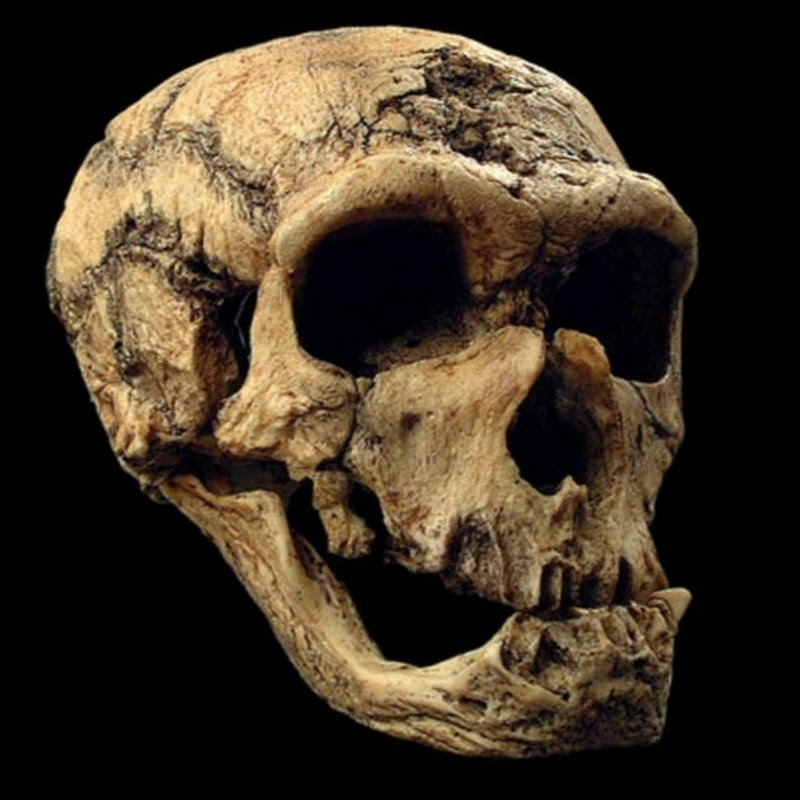
Europe's Oldest Modern Humans? The 400,000 Year Old Secret
Long-form19:09Education
Published Aug 30, 2026, 4:00 PM · 6w ago
Highly Compelling
100K subscribers · median 20.9K views
AI imagery · confirmed$Likely
Views
37,109
+2 views/hour
Likes
980
2.6% of views
Comments
179
0.48% of views
Checked every 24 h while the video is this age · last check 8h ago · next in 909 min. YouTube itself updates public counts with a short delay.
Views / hour now
2
measured 8h ago
Peak views / hour
2
1d ago
Avg views / day
772
since upload
First 24 hours
—
not tracked from upload
vs channel median
1.8×
Rank in channel
#3
of 21 tracked
Engagement
3.1%
likes + comments / views
Est. ad revenue
$148–$334
lifetime, $4–9 RPM
Views over time
0 readings · line: total views · bars: views gained per hour
Live tracking started
The chart fills in as FameX records new readings.
Description
The Swanscombe skull and Steinheim skull challenge our understanding of early human evolution 400,000 years ago. Discover why.
This analysis examines the anatomical features of these specimens to clarify their place in the human family tree. If you are interested in paleoanthropology or the specific traits that defined archaic humans, this breakdown clarifies the ongoing debates surrounding these fossils.
We explore the unique combination of a rounded brain case and prominent brow-ridge found in the Swanscombe skull, contrasting it with the Steinheim skull. By looking closely at the skeletal evidence, you will understand why these specific remains continue to complicate established narratives regarding early human anatomy.
Subscribe for weekly human evolution breakdowns, and comment below which fossil discovery you want us to examine next.
Tags
Swanscombe skullSteinheim skullhuman evolutionearly human anatomypaleoanthropologyarchaic humans
Details
- Published
- Aug 30, 2026, 4:00 PM
- Length
- 19:09 (1,149 s)
- Format
- Long-form
- Category
- Education
- Audio language
- EN
- Quality
- HD
- Captions
- No
- Made for kids
- No
- Licensed content
- Yes
- Video ID
- VAdRp3qgbO4
More from Highly Compelling
 The Buried Truth About Aboriginal Australian Origins30.7K views · 1d ago · +1.8K/h
 Why Out of African Theorists Hid The Truth About Neanderthals26.9K views · 3d ago · +47/h
 Did Neanderthals Reach This Mediterranean Island?6.7K views · 5d ago · +2/h
 The Cave Discovery That Changes Everything About Human History19.3K views · 1w ago · +8/h
 What Happened to Earth 41,000 Years Ago is Terrifying22.1K views · 1w ago · +6/h
 CHINA’S LOST VALLEY OF HUMANS THAT COULD REWRITE HUMAN ORIGINS28K views · 2w ago · +3/h
 Were Early Humans at War in the Levant 100,000 Years Ago?7.6K views · 2w ago
 This Study is the Nail in the Coffin to the "Out of East Africa Theory"50.2K views · 2w ago · +4/h
Statistics from the YouTube Data API, tracked by FameX. Views per hour, revenue and comparisons are FameX estimates.