What Makes One a Monster?
Long-form8:39
Published Oct 1, 2026, 6:45 PM · 1w ago
Bygone Philosophy
71.6K subscribers · median 20K views
AI imagery · confirmed$Likely
Views
15,753
+0 views/hour
Likes
390
2.5% of views
Comments
27
0.17% of views
Checked every 12 h while the video is this age · last check 11h ago · next in 36 min. YouTube itself updates public counts with a short delay.
Views / hour now
0
measured 11h ago
Peak views / hour
—
Avg views / day
1.2K
since upload
First 24 hours
—
not tracked from upload
vs channel median
0.8×
Rank in channel
#12
of 20 tracked
Engagement
2.6%
likes + comments / views
Est. ad revenue
$47–$126
lifetime, $3–8 RPM
Views over time
1 readings · line: total views · bars: views gained per hour
Live tracking started
The chart fills in as FameX records new readings.
Description
What makes a person monstrous? Not a face. Not a birth. In this video, we trace the question across more than two thousand years of philosophy and history, from Aristotle's brutishness and Plato's ring of Gyges, to Hannah Arendt's banality of evil, Stanley Milgram's obedience experiments, the reserve policemen of Józefów, Albert Bandura's moral disengagement, and Mary Shelley's Frankenstein.
And we ask the question that unsettles every easy answer: what if the monster is not the opposite of us, but something we are capable of becoming? And what if every atrocity also depended on the people who could have said no?
In this video:
Where the word "monster" comes from, and how it moved from the body to the act
Aristotle on brutishness, and why a cruel human is worse than a beast
Plato's ring of Gyges and the problem of being watched
Hannah Arendt, Adolf Eichmann, and the banality of evil
Stanley Milgram's obedience experiments
Christopher Browning's Ordinary Men and the massacre at Józefów
Albert Bandura's moral disengagement and the role of dehumanization
Mary Shelley's Frankenstein and the creature who never got a name
Nietzsche, Solzhenitsyn, and Primo Levi on the monster within
Further reading:
Aristotle, Nicomachean Ethics, Book VII
Plato, Republic, Book II
Hannah Arendt, Eichmann in Jerusalem
Bettina Stangneth, Eichmann Before Jerusalem
Stanley Milgram, Obedience to Authority
Christopher Browning, Ordinary Men
Albert Bandura, "Moral Disengagement in the Perpetration of Inhumanities"
Mary Shelley, Frankenstein
Friedrich Nietzsche, Beyond Good and Evil
Aleksandr Solzhenitsyn, The Gulag Archipelago
Primo Levi, If This Is a Man
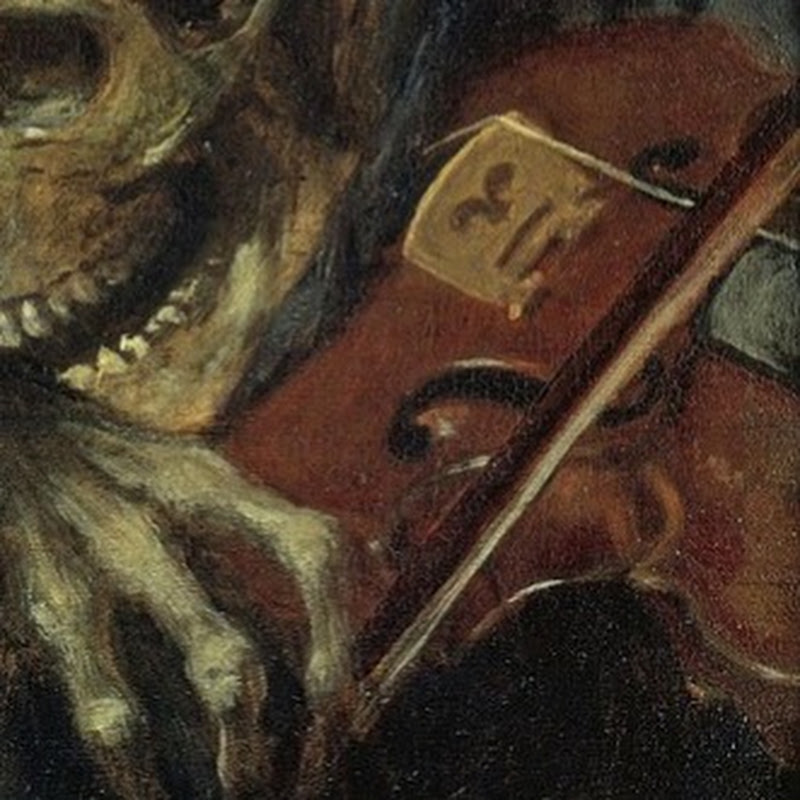
All paintings featured in this video are in the public domain.
#philosophy #evil #psychology
Tags
what makes one monstrouswhat makes a person a monsterphilosophy of evilbanality of evilHannah ArendtAdolf EichmannMilgram experimentAristotlePlatoring of GygesNietzscheFrankensteinmoral disengagementOrdinary Menwhy good people do evil
Details
- Published
- Oct 1, 2026, 6:45 PM
- Length
- 8:39 (519 s)
- Format
- Long-form
- Category
- —
- Audio language
- —
- Quality
- —
- Captions
- —
- Made for kids
- —
- Licensed content
- —
- Video ID
- imdgsYu2DjE
More from Bygone Philosophy
 The Masculine Character13.3K views · 22h ago · +307/h
 The Way of a Conqueror10.7K views · 2d ago · +71/h
 when everything fails...19.1K views · 3d ago · +105/h
 The Villain Archetype13.3K views · 4d ago · +30/h
 The Psychology of Respect Every Man Should Know26.9K views · 5d ago · +90/h
 To Achieve Greatness.38.9K views · 6d ago · +188/h
 The Chess of Life18.5K views · 1w ago · +64/h
 How to Speak Articulately105K views · 1w ago · +460/h
Statistics from the YouTube Data API, tracked by FameX. Views per hour, revenue and comparisons are FameX estimates.