I Tried Making a 1930s Soup That Lasts for 500 Days
Long-form7:01Howto & Style
Published Sep 17, 2026, 12:30 PM · 4w ago

Survival Dishes
1.1K subscribers · median 1.3K views
Hands only · confirmed$Likely
Views
290
+0 views/hour
Likes
5
1.7% of views
Comments
0
0.00% of views
Checked every 12 h while the video is this age · last check 14h ago · next in 0 min. YouTube itself updates public counts with a short delay.
Views / hour now
0
measured 14h ago
Peak views / hour
—
Avg views / day
10
since upload
First 24 hours
—
not tracked from upload
vs channel median
0.2×
Rank in channel
#17
of 20 tracked
Engagement
1.7%
likes + comments / views
Est. ad revenue
$2–$4
lifetime, $6–13 RPM
Views over time
3 readings · line: total views · bars: views gained per hour
Description
Welcome to our channel!
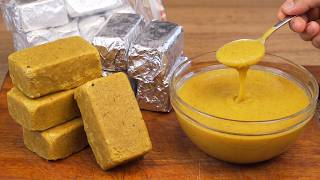
I’m a chef with over 10 years of experience, and today I’m bringing back a forgotten 1930s recipe that turns an ingredient many people throw away into something surprisingly useful: collagen porridge blocks made from chicken feet.
Imagine a future when the power goes out for weeks, food becomes expensive, or supermarket shelves are completely empty. In times like these, simple ingredients that are often overlooked can become valuable food reserves.
Chicken feet are naturally rich in collagen, and when combined with porridge ingredients, they can be transformed into compact, filling blocks that are easy to portion and store.
In this video, I’ll show you how I make them and, most importantly, the critical mistake you need to avoid when storing them. Get this step wrong, and moisture and mold can ruin your entire batch.
This is more than an old recipe. It’s a reminder that preparing food at home can help us make better use of what we already have.
Don’t throw away useful food. Prepare today, store safely, and be ready for tomorrow.
--------
⚠️ FOOD SAFETY DISCLAIMER
This video is provided for educational and informational purposes only. Food-preservation results may vary depending on ingredients, equipment, temperature, hygiene, storage conditions, and local food-safety regulations.
Always follow current guidance from trusted food-safety authorities.
Do not consume food that shows signs of spoilage, contamination, damaged seals, unusual odors, mold, swelling, or leakage.
--------
Disclaimer:
This content is for informational and entertainment purposes only.
Contact / Business inquiries:
[email protected]
#SurvivalDishes #SurvivalFood #FoodPreservation #forgottenfoods
Tags
Survival DishesSurvival FoodSurvival CookingSurvival KitchenSurvival TipsSurvival Food StorageSurvival RecipesForgotten RecipesGreat Depression Survival FoodEmergency FoodFood Shortage PreparationFood PreservationLong Term Food StorageEmergency Food StoragePrepper FoodSHTF FoodHomestead CookingFood ShortagesWhen Shelves Go EmptyFeed Your FamilyCrisis PreparednessCooking Tipsfood shortages
Details
- Published
- Sep 17, 2026, 12:30 PM
- Length
- 7:01 (421 s)
- Format
- Long-form
- Category
- Howto & Style
- Audio language
- EN-US
- Quality
- HD
- Captions
- No
- Made for kids
- No
- Licensed content
- No
- Video ID
- -8xmO9DKslw
More from Survival Dishes
 The Poor Man's Soup From 1777 — A Forgotten 365-Day Meat Preservation Secret!54 views · 9h ago
 Brilliant Idea! I Made a Forgotten Meat Preservation Recipe — 365 Days Without a Fridge!1.3K views · 3d ago · +1/h
 I Made Forgotten Survival Soup Cubes — Just Thaw and Eat520 views · 5d ago
 I Recreated a Forgotten Army Ration — The Last Food Soldiers Could Rely On2K views · 1w ago
 I Made a Forgotten Amish Survival Bar — 500 Calories Without Cooking a Meal8.6K views · 1w ago · +1/h
 I Recreated Germany's 1867 Army Ration — A Whole Bowl of Soup in One Small Block1.3K views · 1w ago
 I Made a Forgotten Pumpkin Survival Ration — Fresh Pumpkin Turned Into Rock-Hard Bread913 views · 2w ago
 I Tried Making "Atomic Bread"—The Kind Served to the US Navy at Sea for 365 Days!2.5K views · 2w ago
Statistics from the YouTube Data API, tracked by FameX. Views per hour, revenue and comparisons are FameX estimates.