History & cultureVEDIC DISCOVERYThe Thirteen Doors to the Infinite — A Journey Through the Principal Upanishads
The Thirteen Doors to the Infinite — A Journey Through the Principal Upanishads
Long-form38:33EducationPublished Oct 1, 2026, 1:00 PM · 3w ago

Views
17,618
+1 views/hour
Views / hour now
1
measured 4h ago
Peak views / hour
1
16h ago
First 24 hours
—
not tracked from upload
Engagement
1.3%
likes + comments / views
Likes
218
1.2% of views
Comments
8
0.04% of views
Est. ad revenue
$85–$190
lifetime, $4.8–10.8 RPM
Checked every 12 h while the video is this age · last check 4h ago · next in 459 min. YouTube itself updates public counts with a short delay.
Avg views / day
814
since upload
vs channel median
1.6×
this video's views ÷ the channel's usual
Rank in channel
#8
of 20 tracked
Views over time
3 readings
Total views Views gained per hour
Description
What if the answer to the question you've never said out loud was written down 4,000 years ago? This is your complete journey through the 13 Principal Upanishads — the foundation of Vedanta and Hindu philosophy, explained simply, for real life.
In this video, we walk through all thirteen: Isha, Kena, Katha, Prashna, Mundaka, Mandukya, Taittiriya, Aitareya, Chandogya, Brihadaranyaka, Svetasvatara, Kaushitaki, and Maitrayaniya — not as dry scripture, but as living stories. Meet Nachiketa, the boy who refused heaven itself for one honest answer. Sit with Yajnavalkya and Maitreyi as they ask what truly makes anything dear to us. Watch two birds on one tree quietly explain the difference between who you think you are and who you really are. Learn why "Tat Tvam Asi" and "Aham Brahmasmi" are considered some of the most powerful sentences ever spoken — and why scientists, philosophers, and seekers across 3,000 years still can't stop returning to them.
Whether you're new to Indian philosophy or you've been circling these questions for years, this is a complete, accessible guide to the wisdom that shaped Vedanta, self-realization, and the entire idea of what it means to know yourself.
📜 Timestamps:
0:50 Introduction — sitting near the fire
4:06 Isha Upanishad — enjoyment without attachment
6:46 Kena Upanishad — the power behind the mind
9:19 Katha Upanishad — Nachiketa and the secret of death
12:48 Prashna Upanishad — six questions on life and breath
14:37 Mundaka Upanishad — the two birds on one tree
16:45 Mandukya Upanishad — Aum and the fourth state of consciousness
19:32 Taittiriya Upanishad — the five sheaths of the self
22:05 Aitareya Upanishad — consciousness as Brahman
23:46 Chandogya Upanishad — salt dissolved in water, "Tat Tvam Asi"
26:22 Brihadaranyaka Upanishad — Yajnavalkya, Maitreyi, and "Aham Brahmasmi"
28:48 Svetasvatara Upanishad — devotion and the wheel of Brahman
30:42 Kaushitaki Upanishad — the breath that never forgets you
32:08 Maitrayaniya Upanishad — the two selves within one body
33:52 Closing — what ties all thirteen together
If this gave you even one moment of clarity, consider subscribing to Vedic Discovery — we bring India's ancient wisdom traditions to life for anyone seeking meaning, growth, and a little more peace in the middle of an ordinary week. 🕉️
Drop a comment below: which of these thirteen hit you the hardest?
#Upanishads #Vedanta #HinduPhilosophy #SpiritualAwakening #AncientWisdom
Tags
UpanishadsVedantaHindu philosophyancient wisdomspiritualityHindu scripturesIsha UpanishadKena UpanishadKatha UpanishadNachiketaMundaka UpanishadMandukya UpanishadAum meaningOmTat Tvam AsiAham BrahmasmiBrihadaranyaka UpanishadChandogya Upanishadself realizationIndian philosophyspiritual growthmeaning of lifeAtman and BrahmanVedic wisdomSanatan DharmaYajnavalkya MaitreyiVedic DiscoveryHinduism explainedspiritual awakening
Details
- Published
- Oct 1, 2026, 1:00 PM
- Length
- 38:33 (2,313 s)
- Format
- Long-form
- Category
- Education
- Audio language
- EN
- Quality
- HD
- Captions
- No
- Made for kids
- No
- Licensed content
- Yes
- Video ID
- -HX3z2_qbBE
More from VEDIC DISCOVERY
 Every God Tried to Defeat the Buffalo Demon and Failed: Here's Why Only Devi Durga Could Do It53.4K views · 2w ago · +26/h
 Who Was Rudra? The Truth About Shiva's Origins58.7K views · 4w ago · +3/h
 What is Vedanta Philosophy? (Advaita, Upanishads & Tat Tvam Asi Explained)5.3K views · 6w ago
 When Lord Shiva Stopped Ravana: A Lesson in Ego and Devotion5.2K views · 2mo ago
 Why Meditation Doesn't Silence the Mind — And What Ashtavakra Says to Do Instead18.9K views · 2mo ago · +1/h
 Reincarnation Explained: What Hinduism Says About Your Soul, Life & Destiny2.3K views · 2mo ago · +1/h
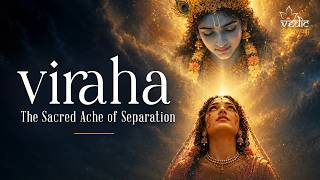 Viraha: Radha Asked Krishna Why He Left and Never Returned11.4K views · 2mo ago · +1/h
 Purushartha: The Four Aims of Human Life in Hindu Philosophy6.3K views · 2mo ago · +1/h
Statistics from the YouTube Data API, tracked by FameX. Views per hour, revenue and comparisons are FameX estimates.