DIY & repairFrank The FirefighterAvoid Disaster! 8 Extension Cord Mistakes Most Homeowners Unknowingly Make
Avoid Disaster! 8 Extension Cord Mistakes Most Homeowners Unknowingly Make
Long-form20:43People & Blogs
Published Oct 5, 2026, 7:00 PM · 1w ago

Frank The Firefighter
67 subscribers · median 473 views
AI avatar · confirmed7%
Views
433
+2 views/hour
Likes
3
0.7% of views
Comments
0
0.00% of views
Checked every 12 h while the video is this age · last check 8h ago · next in 200 min. YouTube itself updates public counts with a short delay.
Views / hour now
2
measured 8h ago
Peak views / hour
2
1d ago
Avg views / day
43
since upload
First 24 hours
—
not tracked from upload
vs channel median
0.9×
Rank in channel
#12
of 20 tracked
Engagement
0.7%
likes + comments / views
Est. ad revenue
—
channel not monetized
Views over time
3 readings · line: total views · bars: views gained per hour
Description
Avoid Disaster! 8 Extension Cord Mistakes Most Homeowners Unknowingly Make
Extension cords seem simple—plug one end into the wall, connect your device, and you're done.
But using the wrong cord, overloading it, or hiding it in the wrong place can create a serious **fire and electrical hazard**.
In this video, we break down **8 common extension cord mistakes homeowners make without realizing the risk**.
From using lightweight cords with high-power appliances to connecting multiple cords together, running them under rugs, using damaged plugs, and choosing indoor cords for outdoor jobs, small mistakes can cause cords and connections to overheat.
We'll also explain why extension cords should generally be considered **temporary wiring**, why wire gauge and amperage ratings matter, and why appliances such as space heaters require especially careful attention.
You'll learn what warning signs to watch for—including hot plugs, discoloration, damaged insulation, loose connections, and burning smells—and when a cord should be unplugged and replaced rather than repaired or ignored.
Extension cords are incredibly useful.
But they're only safe when the cord, electrical load, environment, and outlet are appropriate for the job.
A five-dollar shortcut isn't worth risking an electrical fire.
SOURCES:
U.S. Consumer Product Safety Commission
https://www.cpsc.gov/
National Fire Protection Association
https://www.nfpa.org/
Electrical Safety Foundation International
https://www.esfi.org/
Occupational Safety and Health Administration
https://www.osha.gov/
#ElectricalSafety #ExtensionCord #HomeSafety #FireSafety #DIY #Homeowners #ElectricalTips
Details
- Published
- Oct 5, 2026, 7:00 PM
- Length
- 20:43 (1,243 s)
- Format
- Long-form
- Category
- People & Blogs
- Audio language
- EN
- Quality
- HD
- Captions
- No
- Made for kids
- No
- Licensed content
- No
- Video ID
- iBkPqBCJJN4
More from Frank The Firefighter
 This Woodpile Almost Burned the House Down (Here's What Went Wrong)52 views · 1d ago · +8/h
 Why You Should NEVER Stack Firewood Against Your House425 views · 3d ago
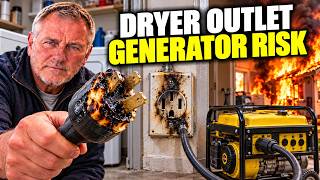 Why You Should NEVER Plug a Generator Into Your Dryer Outlet253 views · 5d ago
 This Kitchen Outlet Almost Burned the House Down (Here's What Went Wrong)3.2K views · 1w ago · +7/h
 DO NOT Use a Space Heater Like This (It Could Start a House Fire)107 views · 2w ago
 Don’t Run Your Generator at Night Until You Check These 7 Things701 views · 2w ago
 7 Water Heater Mistakes That Can Cost You Thousands257 views · 2w ago · +1/h
 The #1 DIY Electrical Panel Mistake: Can You Put Two Wires Under One Breaker?659 views · 2w ago · +1/h
Statistics from the YouTube Data API, tracked by FameX. Views per hour, revenue and comparisons are FameX estimates.