A Light-Year Is So Huge Your Brain Can’t Comprehend It
44.9× channel medianLong-form19:43EducationPublished Sep 26, 2026, 3:00 PM · 3w ago

Views
3,051,540
+433 views/hour
Views / hour now
433
measured 1h ago
Peak views / hour
912
13h ago
First 24 hours
—
not tracked from upload
Engagement
0.5%
likes + comments / views
Likes
14.4K
0.5% of views
Comments
987
0.03% of views
Est. ad revenue
$12,206–$30,515
lifetime, $4–10 RPM
Checked every 12 h while the video is this age · last check 1h ago · next in 650 min. YouTube itself updates public counts with a short delay.
Avg views / day
116K
since upload
vs channel median
44.9×
this video's views ÷ the channel's usual
Rank in channel
#1
of 20 tracked
Views over time
8 readings
Total views Views gained per hour
Description
A light-year sounds like a distance. But in reality, it is a scale so enormous that even our fastest spacecraft would need thousands of years to cross it.
So why can’t we simply travel one light-year? The answer goes far beyond the limitations of today’s rockets. In this video, we explore the true scale of a light-year, the incredible distances between stars, the limits imposed by the speed of light, and why traveling across even a tiny part of our galaxy is far more difficult than it seems.
And the deeper we look at the problem, the more unsettling the answer becomes.
How far could humanity realistically travel? Could future propulsion systems change the equation? And what would it actually take to cross one light-year?
Let’s find out.
Tags
scale of spacelight years explainedplanetstrue scale of the universehow big is the universeuniverse explainedastronomyplanet size comparisonobservable universeuniverseuniverse size1 light year1 light year per seconduniverse documentaryspacescienceone light yearwhat is a light yeartravel one light yearlight year explainedVoyager 1NASA VoyagerParker Solar Probefastest spacecraftnearest starspeed of lightlight speed
Details
- Published
- Sep 26, 2026, 3:00 PM
- Length
- 19:43 (1,183 s)
- Format
- Long-form
- Category
- Education
- Audio language
- EN
- Quality
- HD
- Captions
- No
- Made for kids
- No
- Licensed content
- Yes
- Video ID
- nEFUq1ZyEMo
More from Space Matters
 The Worst Possible US Disaster Just Got EVEN WORSE69.9K views · 5d ago · +4.2K/h
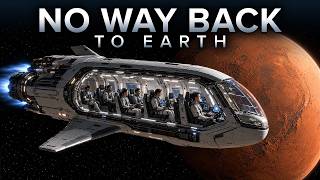 Why Anyone Who Goes to Mars Will NEVER Come Back to Earth42.1K views · 1w ago · +5/h
 A SUPER El Niño Triggered History’s DEADLIEST Disaster. THIS One Might Be Worse103K views · 2w ago · +8/h
 The Worst Possible US Disaster Just Got EVEN WORSE?!?1.7M views · 4w ago · +135/h
 NASA's New Telescope Might Break the Universe456K views · 5w ago · +31/h
 What Super El Nino Will Do To Our Weather In Coming Months?493K views · 6w ago · +7/h
 We Were Wrong About Pluto! James Webb’s New Discovery Changes Everything10.7K views · 7w ago
 Voyager 1 Just Sent Back Something NASA Can't Explain65.9K views · 2mo ago · +8/h
Statistics from the YouTube Data API, tracked by FameX. Views per hour, revenue and comparisons are FameX estimates.