Wood Stove: Most People Make These 7 Mistakes When Adding Wood
Long-form16:59People & Blogs
Published Oct 15, 2026, 6:00 PM · 19h ago

Frank The Firefighter
72 subscribers · median 481 views
AI avatar · confirmed7%
Views
35
+0 views/hour
Likes
0
0.0% of views
Comments
1
2.86% of views
Checked every 30 min while the video is this age · last check 7m ago · next in 22 min. YouTube itself updates public counts with a short delay.
Views / hour now
0
measured 7m ago
Peak views / hour
11
2h ago
Avg views / day
35
since upload
First 24 hours
—
not tracked from upload
vs channel median
0.1×
Rank in channel
#20
of 21 tracked
Engagement
2.9%
likes + comments / views
Est. ad revenue
—
channel not monetized
Views over time
14 readings · line: total views · bars: views gained per hour
Description
Wood Stove: Most People Make These 7 Mistakes When Adding Wood
A wood stove can keep your home warm for hours—but the way you add firewood can make a huge difference. One wrong move can smother your fire, waste valuable heat, fill your room with smoke, or contribute to dangerous creosote buildup inside your chimney.
Many people assume that adding more logs is all it takes to keep a fire burning. In reality, **the size of the logs, the moisture in the wood, the airflow inside the stove, and the timing of each reload** all affect how efficiently and safely your stove operates.
In this video, we reveal **7 common mistakes people make when adding wood to a wood stove** and explain how to avoid them. Whether you're heating your home through a long winter or relying on a wood stove as a backup heat source, these practical tips can help you burn more efficiently and reduce unnecessary risks.
## 🔥 THE 7 MISTAKES YOU'LL LEARN ABOUT
1. **Adding too much wood at once** — Overloading the firebox can damage your stove and create unsafe operating conditions.
2. **Using wet or unseasoned firewood** — Excess moisture wastes energy and creates more smoke.
3. **Packing the logs too tightly** — Firewood needs space for air to circulate and support combustion.
4. **Adding large logs before the fire is ready** — A weak bed of coals may struggle to ignite oversized pieces.
5. **Opening the stove door too quickly** — Opening it gradually helps reduce smoke spilling into your room.
6. **Restricting the airflow too soon** — Cutting air too aggressively can encourage smoldering and creosote buildup.
7. **Ignoring chimney maintenance** — Even good burning habits cannot replace regular inspection and cleaning.
## 🪵 HOW TO ADD WOOD THE RIGHT WAY
- Use dry, seasoned firewood with a moisture content of about 20% or less.
- Add a few appropriately sized logs instead of cramming the firebox full.
- Leave enough space between pieces for air to circulate.
- Allow the fire to establish itself before adding larger pieces.
- Open the stove door slowly when reloading, and follow your stove manufacturer's instructions.
- Watch for persistent smoke, sluggish flames, or other signs of poor combustion.
- Have your stove, flue, and chimney inspected and cleaned regularly by a qualified professional.
A properly managed wood fire can provide dependable warmth without wasting as much fuel. Small changes in how you reload your stove can make a meaningful difference—but safety should always come first.
⚠️ **Safety reminder:** Never overload your stove or operate it outside the manufacturer's instructions. Keep a working carbon monoxide alarm in your home, maintain safe clearances from combustible materials, and never leave the stove door open unattended.
👍 **Enjoy practical home-heating tips?** Like this video, subscribe for more wood-stove advice, and share it with someone who heats their home with firewood.
💬 **QUESTION OF THE DAY:** Which of these wood-stove mistakes have you seen people make most often?
## 📚 SOURCES & REFERENCES
**1. U.S. Environmental Protection Agency — Best Wood-Burning Practices**
Guidance on dry firewood, proper airflow, safe stove operation, and materials that should never be burned.
**2. U.S. Environmental Protection Agency — Tips for a Better Burn**
Practical guidance on preparing firewood, arranging logs, maintaining airflow, and reloading a burning stove.
**3. U.S. Environmental Protection Agency — Frequently Asked Questions About Wood-Burning Appliances**
Explains creosote formation, the risks of restricted airflow, wet wood, and overloading the firebox.
**4. U.S. Environmental Protection Agency — Learn Before You Burn Wood**
Recommendations for firewood moisture, annual professional inspections, and chimney cleaning.
**5. U.S. Environmental Protection Agency — Clean and Efficient Heating Checklist (PDF)**
A concise checklist covering small fires, adequate airflow, proper log spacing, and annual maintenance.
**6. U.S. Environmental Protection Agency — Burn Wise Best Practices Videos**
Demonstrations on firewood storage, moisture testing, and maintaining an efficient wood fire.
*Note: These recommendations are general guidance. Different wood stoves have different loading limits and operating requirements, so always follow the manual for your specific appliance.*
#WoodStove #WoodHeating #Firewood #WinterHeating #WoodBurning #HomeHeating #FireplaceTips #OffGridLiving #HeatingTips #FireSafety
Details
- Published
- Oct 15, 2026, 6:00 PM
- Length
- 16:59 (1,019 s)
- Format
- Long-form
- Category
- People & Blogs
- Audio language
- EN
- Quality
- HD
- Captions
- No
- Made for kids
- No
- Licensed content
- No
- Video ID
- hGvezESM5qE
More from Frank The Firefighter
 This Woodpile Almost Burned the House Down (Here's What Went Wrong)66 views · 1d ago
 Why You Should NEVER Stack Firewood Against Your House429 views · 4d ago
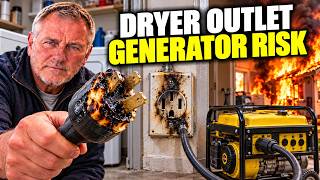 Why You Should NEVER Plug a Generator Into Your Dryer Outlet300 views · 6d ago
 This Kitchen Outlet Almost Burned the House Down (Here's What Went Wrong)3.3K views · 1w ago · +5/h
 Avoid Disaster! 8 Extension Cord Mistakes Most Homeowners Unknowingly Make479 views · 1w ago · +2/h
 DO NOT Use a Space Heater Like This (It Could Start a House Fire)107 views · 2w ago
 Don’t Run Your Generator at Night Until You Check These 7 Things705 views · 2w ago
 7 Water Heater Mistakes That Can Cost You Thousands257 views · 2w ago
Statistics from the YouTube Data API, tracked by FameX. Views per hour, revenue and comparisons are FameX estimates.